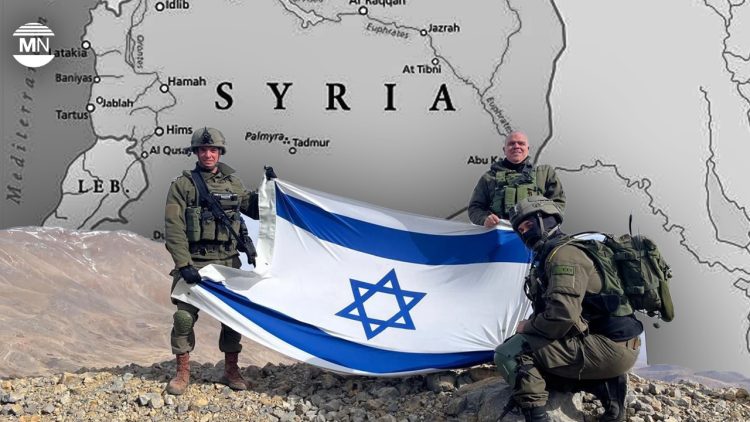
Israel has stepped up its military actions in Syria, carrying out several airstrikes and ground operations in the south and northwest of the country. The latest raids, carried out on Monday night, targeted an arms depot near the coastal city of Latakia and other former Syrian military sites in Qardaha and Tartous, according to Israeli military sources. Syrian state media confirmed the strikes but reported no casualties.
The Israeli government says its operations are aimed at preventing weapons from falling into the hands of hostile armed groups and securing its northern borders. However, the United Nations has strongly condemned the strikes, with Special Envoy for Syria Geir Pedersen warning that such actions “risk further destabilising an already fragile situation”. Pedersen urged Israel to comply with international law and cease unilateral military action.
Israeli warplanes hit further targets in Syria’s Damascus and Daraa
Israeli airstrike kills 14 people, injures 43 in Syria
Key Syrian political groups boycott National Dialogue Conference, criticise lack of inclusivity
Since the fall of Bashar Al-Assad regime’s in December 2024, Israeli forces have expanded their presence beyond the occupied Golan Heights into Syrian territory, including the Daraa and Quneitra provinces. Residents of these areas accuse Israeli forces of restricting their movement, confiscating agricultural land and establishing permanent military positions, effectively creating a buffer zone inside Syrian territory.
Israeli Prime Minister Benjamin Netanyahu has defended the operations, insisting that his country will not allow the “new Syrian army” to gain a foothold south of Damascus. Speaking to military cadets, Defence Minister Israel Katz reiterated that the Israeli army would remain in the Syrian buffer zone “for an unlimited period of time”.
The situation has led to protests across southern Syria, with demonstrators rejecting what they describe as Israeli occupation. Local leaders have rejected Israeli offers of aid and economic incentives and declared their intention to resist external control.
Legal experts warn that Israel’s actions violate the 1974 Disengagement Agreement, which established a demilitarised zone between Israel and Syria following the 1973 war. While Israel claims that the agreement has collapsed in light of recent regime changes, international law experts argue that it remains legally binding regardless of leadership changes.
The continued Israeli presence in Syria is also shaped by broader regional dynamics, including tensions with Iran and the growing influence of Turkey. Israeli security officials stress that any withdrawal will require security guarantees from international actors, particularly regarding the presence of armed groups near Israel’s borders. Critics accuse Israel of using security rhetoric to justify a further land grab