

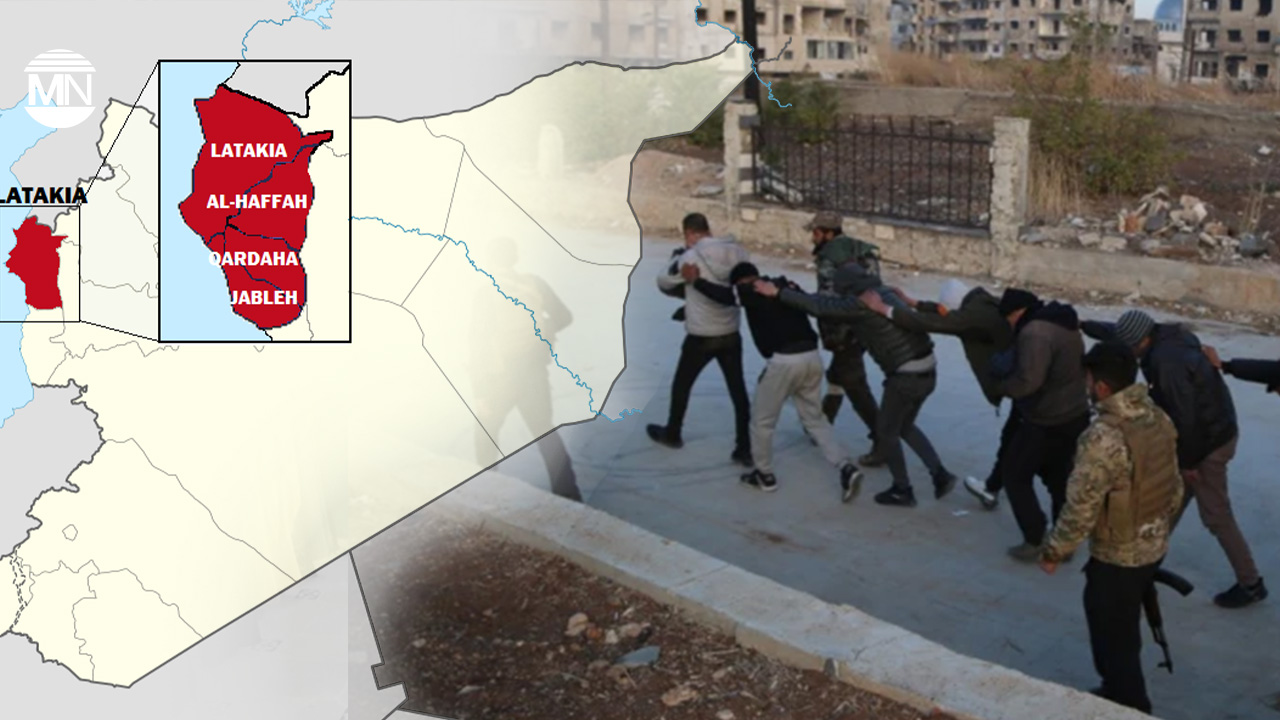
Kurdish journalist Zîwer Şexo, who recently travelled to Syria’s coastal region to investigate reported atrocities, has confirmed the existence of mass graves and widespread devastation in Alawite villages in Latakia and Tartus provinces. The attacks, carried out by groups affiliated with the Sultan Suleiman and Hamza Division militias—both linked to Turkish-backed forces—left entire families wiped out, he said.
Speaking to the Ronahî TV based in Qamishli (Qamishlo), northern Syria, after documenting the aftermath, Şexo stated:
“What I saw on the coast was far beyond what I had anticipated. We had seen a few videos on social media, but nothing prepared me for the reality. We met mothers in mourning and witnessed mass graves with our own eyes. In one grave alone, 150 people had been buried.”
Şexo described the scale of destruction and targeted violence as reminiscent of the 2014 Sinjar (Şengal) massacre of Yazidis by ISIS.
“What happened to the Alawites reminded me of Şengal,” he said. “This was a massacre driven by the same mentality as ISIS—people killed for their identity, their faith. Once again, we saw pain, poverty, and families shattered.”
In some cases, entire families were annihilated.
“If only one member of a family was killed, that was considered ‘lucky’. But many families were completely erased,” Şexo added.
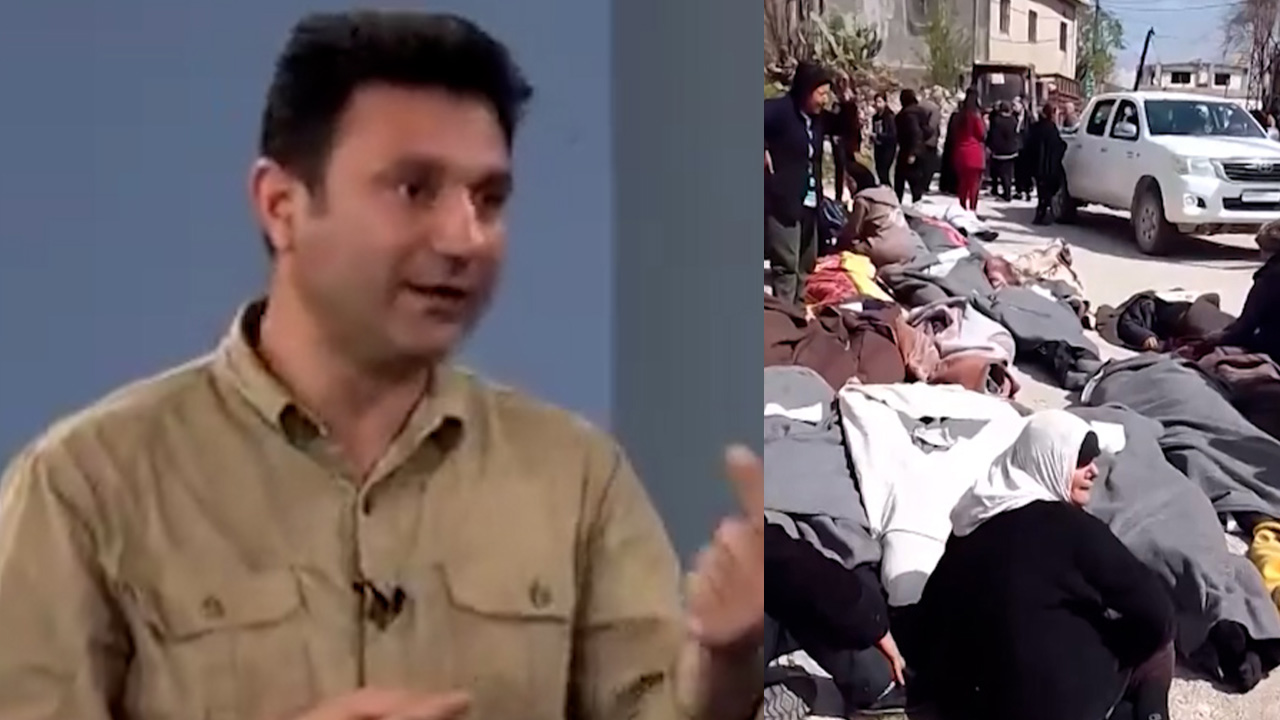
He also revealed that he was briefly detained by the same armed groups while reporting in the area, underscoring the dangers faced by journalists on the ground.
The reported massacres took place in Alawite-populated regions in Syria’s coastal provinces, regions which had largely been spared from mass violence during earlier phases of the Syrian civil war. The Sultan Suleiman and Hamza Division militias, both part of the Turkish-backed Syrian National Army, have been previously accused of human rights violations.
Related Articles:
Turkey-backed SNA divisions responsible for massacres of Alawites in Syria
Syria’s Kurds condemn massacres of Alawites in Syria
Zîwer Şexo’s documentation adds new evidence and firsthand testimony to growing concerns about racist violence and impunity in diverse ethnic and religious minorities -held territories.


