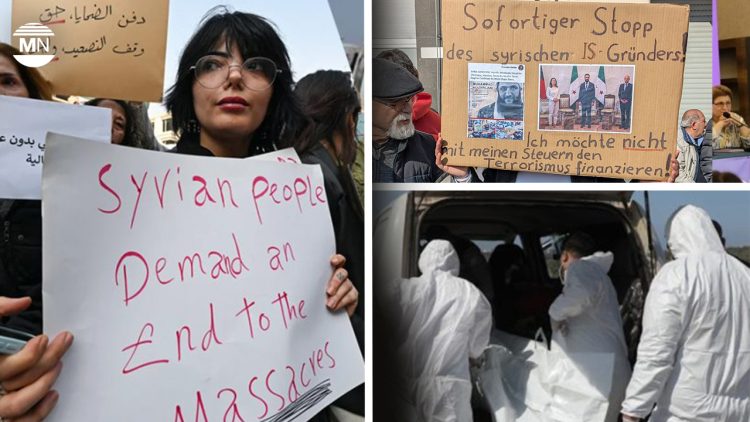
The EU has sanctioned former Turkish-backed militia leaders and their factions for committing atrocities against Alawite civilians during attacks in Syria in March 2025. Despite their roles in these crimes, the sanctioned individuals reportedly hold official positions within Syria’s restructured military. The sanctions are part of a broader shift in EU policy combining the easing of economic restrictions to support Syria’s reconstruction with new measures to ensure accountability for war crimes.
Council Implementing Regulation (EU) 2025/1111, adopted on 28 May 2025, expands the EU’s Global Human Rights Sanctions Regime to include several individuals and entities in Syria found responsible for atrocities against civilians, particularly in the Alawite-populated coastal region. Those included on the list are Muhammad al-Jasim (Abu Amsha), leader of the Sultan Suleiman Shah Brigade, and Saif Abu Bakr (Sayf Balud), commander of the Hamza Division. Both groups are part of the Turkish-backed Syrian National Army (SNA). The two men are held responsible for leading their factions during the assaults in the Latakia and Tartus regions in March 2025, which left over 1,700 civilians dead. Although formerly affiliated with the Turkish-backed SNA, they now hold senior positions in the new Syrian army, serving under Syria’s interim president Ahmed al-Sharaam (Al-Julani).
Related Article
France accepts lawsuit against Syrian interim leader for alleged mass killings
The regulation also lists their respective militias, the Sultan Suleiman Shah Brigade, the Hamza Division and the Sultan Murad Division, as sanctioned entities. Affiliated with the Turkish-backed SNA, these groups are held responsible for serious human rights abuses, including torture, inhuman treatment, sexual violence, forced displacement and the arbitrary killing of civilians in Syria.
Related Article:
Turkey-backed SNA divisions responsible for massacres of Alawites in Syria
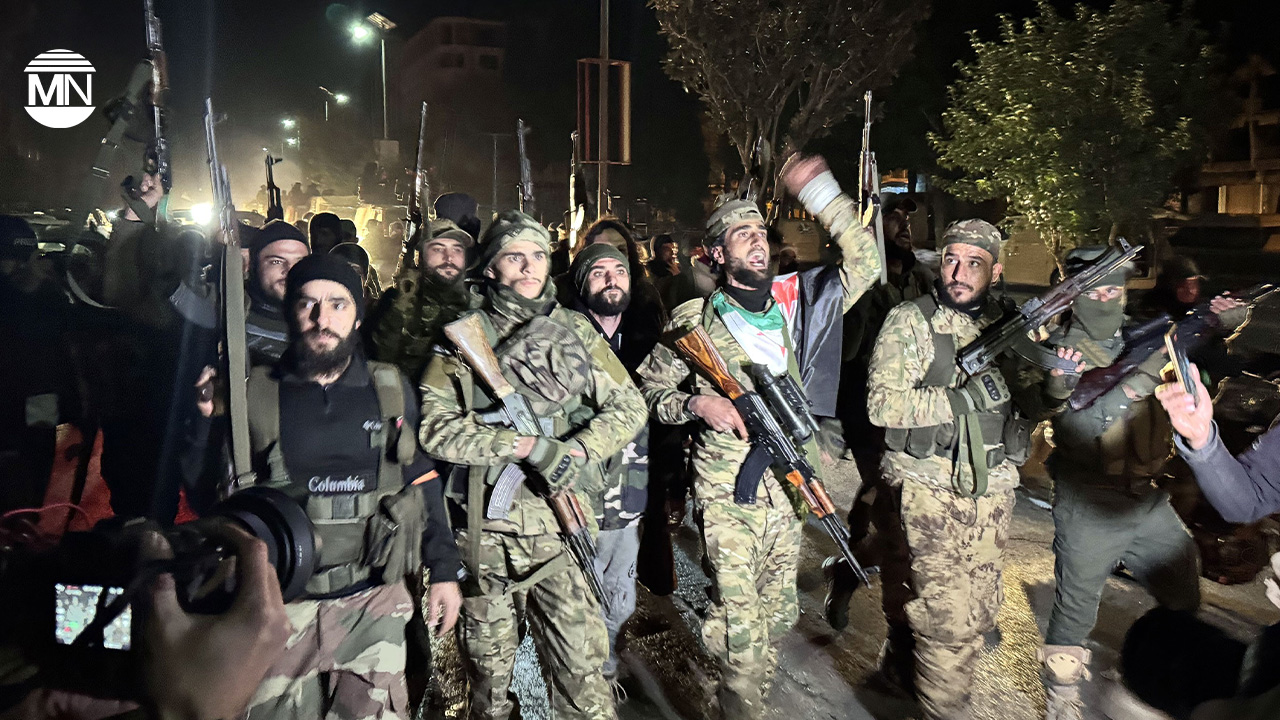
Previously operating as armed opposition factions under Turkish sponsorship, several of these groups and their leaders have since integrated into the restructured Syrian military under the Syrian Ministry of Defense following the political transition of early 2025. Abu Amsha is now reportedly serving as a brigadier general in Syria’s 25th Division. Similarly, Sayf Balud is reported to be leading Syria’s 76th Division. Even though they have been formalised into state structures, their past actions continue to draw international scrutiny.
While expanding sanctions on individuals and groups responsible for war crimes, the EU simultaneously lifted most economic sanctions on Syria, including those on 24 organisations such as the Central Bank of Syria and major firms in the energy, cotton and telecommunications sectors. In a press release issued on 28 May, EU Foreign Policy Chief Kaja Kallas stated that the Council had adopted legal acts to lift all economic restrictive measures on Syria, except those based on security grounds. The decision enacts the political resolution announced on 20 May and aims to support the Syrian people in reuniting and rebuilding a new, inclusive, pluralistic and peaceful Syria, according to the press release. However, it has also been emphasised that sanctions relief remains conditional on continued improvements in human rights and security.
In light of these developments, the latest EU actions demonstrate a complex recalibration of international policy regarding Syria. While the EU is fostering political transition and economic recovery in Syria, it is also expanding accountability mechanisms to address long-standing grievances about human rights abuses committed by non-state armed actors, who were previously shielded by regional powers, Turkey being the chief example.
Related Articles:
Syrian war crimes submitted to Hague, UN by Turkey’s Kurdish bar association
Bloodshed in Syria: Alawites targeted in escalating sectarian violence
Jihadist groups accused of Hama massacre as sectarian tensions rise in post-Assad Syria