The United States has officially begun the process of withdrawing from the Paris climate agreement, the United Nations confirmed on Tuesday, following a formal notification from Washington. The move, a core campaign pledge of US President Donald Trump, signals a major shift in US climate policy and has sparked concerns over its impact on global efforts to combat climate change.
UN spokesperson Stephane Dujarric said that the US withdrawal, submitted on 27 January 2024, will take effect on 27 January 2026, as stipulated by the provisions of the agreement. The decision comes amid mounting scientific evidence of climate change, with global temperatures surpassing the critical 1.5°C threshold for the past two years.
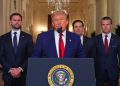
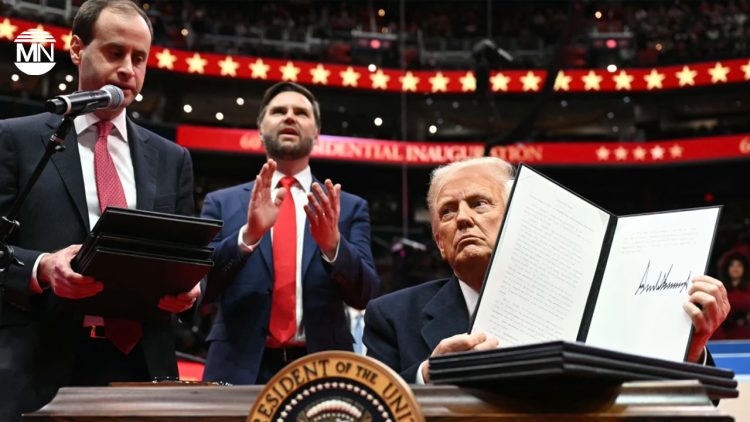
Trump, who previously pulled the US out of the accord in 2017 before it was reinstated under President Joe Biden in 2021, argues that the deal unfairly burdens American industries while allowing countries like China to continue polluting. “The United States will not sabotage its own industries while China pollutes with impunity,” Trump declared while signing the executive order at an event in Washington, DC.
Related articles:
PANORAMA 2024 | Nature under siege: A year of climate chaos and exploitation

2024 was the hottest year since 1850

Azerbaijan’s COP29: A theatre for greenwashing
Critics warn that Trump’s move could undermine global cooperation in reducing fossil fuel reliance. The US is the world’s second-largest emitter of greenhouse gases, and its departure from the pact raises fears that other nations, including Argentina under President Javier Milei, might follow suit. Environmental groups stress that the withdrawal could slow progress in cutting emissions and intensify climate-related disasters such as wildfires, droughts and rising sea levels.
Despite the US exit, the Paris agreement – signed by 195 nations in 2015 – remains intact. The UN reaffirmed its commitment to the accord, stating that it will continue working with international partners to limit temperature rise and mitigate climate damage. The next major climate summit, COP30, is scheduled for November 2025 in Brazil, where world leaders will negotiate further action to prevent temperatures from exceeding 1.5°C above pre-industrial levels.
Financial concerns also loom over the UN climate body, which relies heavily on US contributions, traditionally covering 22 percent of its budget. To address the funding shortfall, billionaire entrepreneur Michael Bloomberg has pledged financial support to sustain global climate initiatives.
Trump’s decision aligns with his broader energy agenda, which includes expanding domestic oil and gas drilling, scrapping vehicle emissions standards and halting offshore wind farm projects. The fossil fuel industry, which contributed $75 million to his campaign, is expected to benefit significantly from these policies.
While Trump’s withdrawal from the Paris accord is now set in motion, climate advocates hope that US states, cities and businesses will continue to push for renewable energy and emissions reductions, even in the absence of federal leadership.