

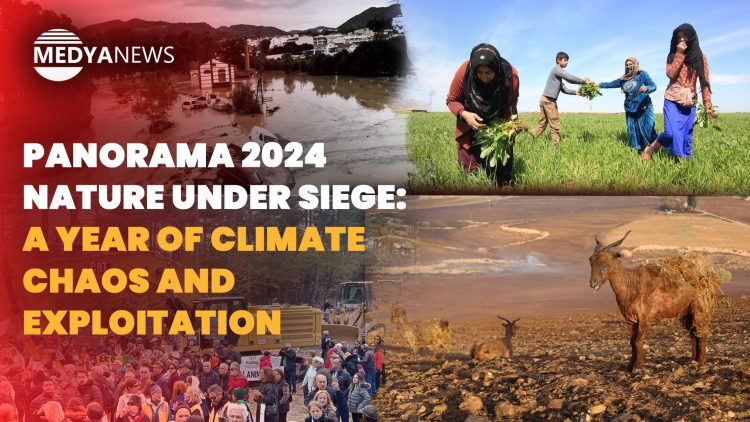
Global environmental degradation reached alarming new heights in 2024, with relentless industrial activity and climate change driving catastrophic ecological damage. From deforestation in Turkey’s Kazdağları (Mount Ida) to deadly typhoons across Asia, the planet bore the brunt of unyielding exploitation, worsening climate-related disasters, and biodiversity loss, Tolga Güney reports from Mezopotamya Agency.
A year defined by climate crises
The climate crisis left no corner of the world untouched in 2024. Scientific studies revealed that global carbon dioxide emissions from fossil fuels rose by 0.8%, reaching a staggering 37.4 billion tonnes, according to the Global Carbon Project. This acceleration threatens to exhaust the planet’s remaining carbon budget in just six years, making the 1.5°C warming limit an increasingly elusive goal.
Research published in Earth System Science Data warned that continued emissions at this pace could lock humanity into a future of rising seas and worsening weather patterns. Arctic permafrost thawed further, releasing trapped mercury, while communities like Gardi Sugdub in Panama were forced to relocate due to rising sea levels. In the Living Planet Report 2024, World Wildlife Fund (WWF) Kenya noted that global wildlife populations have plummeted by 76% in the past 50 years, with habitat loss as a primary driver.

Deadly disasters across the globe
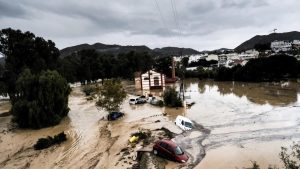
Natural disasters compounded the crisis. In Spain and Nepal, flash floods claimed 205 and 217 lives, respectively, while millions were displaced across Nigeria, Indonesia, and Kazakhstan due to severe flooding. The United States faced Hurricane Helene, which killed 227 people, while Vietnam and China endured Typhoon Yagi, which left 155 dead. Europe also suffered, with Storm Boris devastating Austria, Hungary and Slovakia, claiming 24 lives.
Heat-related deaths surged by 167% in 2023, with the Lancet forecasting an even deadlier 2024 due to rising temperatures. Turkey’s Meteorological Directorate confirmed that July 2024 was the hottest in 53 years, with rainfall deficits of up to 65% compared to historical averages.
Environmental destruction in Turkey
Turkey emerged as a focal point of environmental devastation, with industrial projects and government policies exacerbating ecological damage. The Green Future Index 2023 ranked Turkey 63rd out of 76 countries, highlighting alarming levels of air, water and soil pollution. The Clean Air Rights Platform (THHP) reported that over 92% of Turkey’s population breathed polluted air in 2024, with Hakkari (Colemêrg) recording the poorest air quality.
Unchecked mining and deforestation drove significant biodiversity loss. In the Kazdağları region, 600,000 trees were felled for the Halilağa Copper Mine project, while similar destruction was reported in Şırnak’s (Şirnex) Cudi (Cûdî), Küpeli (Gabar) and Besta Mountains. In Kurdish areas like Diyarbakır (Amed), Tunceli (Dêrsim) and Hakkari, widespread deforestation and mining projects ravaged natural habitats. For instance, thousands of trees were felled in Akçabudak (Zengesor) village for a copper mine, sparking protests among local residents.
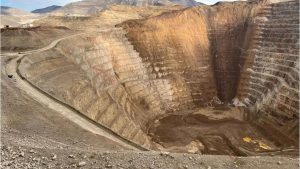
Energy and mining projects received thousands of environmental impact assessment (EIA) exemptions, with 12,057 EIA applications lodged by December. Notably, Afşin Thermal Power Plant’s expansion and numerous other projects bypassed rigourous environmental scrutiny.
Drought, water Crisis, and habitat loss
Drought intensified across Turkey in 2024. Bodrum’s Mumcular Dam reached dead storage levels, cutting off water supplies. Lake Bafa’s water receded by 30 metres, while Eğirdir Lake’s width narrowed from 1.8 kilometres to 1.2 kilometres. The Tunca River and key reservoirs like Berdan Dam in Mersin also dried to critical levels.
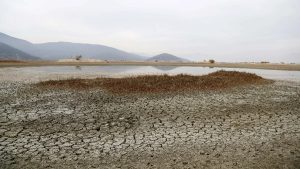
The country’s wildlife suffered as habitats vanished. Bird breeding sites such as Bingöl Lake in Sivas and Küçük Göl flamingo haven in Konya dried up entirely. Antik Myus, an ancient city near Lake Bafa, now lies exposed as water levels have plummeted.
Public resistance and tragedy
Despite relentless destruction, grassroots resistance persisted. In Artvin’s Borçka district, Reşit Kibar was killed while protesting a stone quarry project threatening his village. In Kurdish regions, resistance to ecological destruction remained steadfast. In Hakkari’s Kavaklı (Marunis) village, activists set up encampments to oppose mining projects. Protests in Diyarbakır, Artvin and Trabzon highlighted widespread frustration with policies prioritising profit over sustainability.
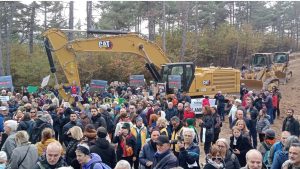
Nationwide, large-scale demonstrations were organised against mining and deforestation, with many activists facing threats or violence. In Şırnak, green areas in Silopi (Silopiya) were designated for coal mining, despite fierce local opposition. Similar struggles unfolded in Tunceli, where historic and cultural sites came under threat from mining permits.
International implications
The year’s environmental crises highlighted the global dimensions of ecological destruction. The UN Framework Convention on Climate Change (UNFCCC) highlighted military activities as responsible for 5.5% of global carbon emissions. Scientists emphasised that the warming Arctic and biodiversity loss could trigger cascading effects, endangering ecosystems worldwide.
The stark environmental challenges of 2024 serve as a dire warning. The year’s devastating ecological events and the failure to curtail destructive industrial activities highlight the urgent need for systemic change. As activists continue their resistance and international organisations issue dire forecasts, the window for meaningful action narrows. Will humanity rise to meet this existential threat, or will the planet continue its spiral into irreversible decline?


