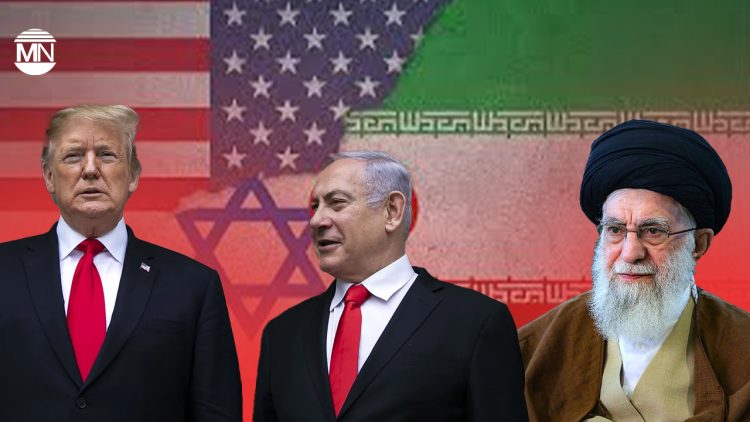
A ceasefire between Israel and Iran was announced on Tuesday, following nearly two weeks of unprecedented direct military conflict that killed dozens and rattled the Middle East. Former US President Donald Trump declared the agreement was now in effect and urged both parties to honour it “without violations”, raising cautious hopes that the so-called “12-Day War” could be drawing to a close.
The ceasefire comes after a dramatic escalation in hostilities, during which Israel claimed to have dismantled Iran’s nuclear and missile infrastructure, and both nations suffered fatal strikes. Trump, who announced the truce via his Truth Social platform, said the ceasefire followed “intense diplomacy” involving direct and indirect contact with both sides.
“The ceasefire is now in effect. Please do not violate it!” Trump wrote in a post, following separate calls with Israeli Prime Minister Benjamin Netanyahu and officials from Tehran.
Israel confirmed that it had agreed to the ceasefire deal, calling its military operation a success. Netanyahu’s office stated that Israel had “removed the dual existential threat” posed by Iran’s nuclear and missile capabilities and warned that any breach of the ceasefire would provoke a strong response.
In a statement issued from Jerusalem, Netanyahu thanked Trump and the United States for their coordination, asserting that Israel had dealt a severe blow to Iran’s security apparatus, including the deaths of multiple Basij operatives and nuclear scientists. Israel also claimed to have achieved full air control over parts of Iranian airspace, including around Tehran, though it did not provide independent evidence to verify these assertions.
Iran’s reaction to the ceasefire has been more cautious. While officials confirmed to Qatar that Tehran would halt military operations if Israel ceased hostilities by early Tuesday morning, Foreign Minister Abbas Araqchi warned that Iran’s final decision depended on Israel’s conduct. “There will be no halt to our operations unless Israel stops its illegal aggression,” he said.
Despite the ceasefire taking effect, deadly incidents were reported on both sides on Tuesday. Israeli emergency services said four people were killed in Beersheba after Iran fired a final barrage of missiles. Hours earlier, Iran’s Gilan province reported nine fatalities and dozens of injuries in what was described as a “terrorist attack” on residential buildings. Iranian media later attributed the strike to Israel and claimed one of those killed was nuclear scientist Mohammadreza Sediqi.
Adding to the tensions, Iran’s judiciary confirmed that an Israeli strike had damaged Evin prison in Tehran, a facility known for housing political prisoners. The blast reportedly caused casualties among inmates, staff, and visiting family members.
The recent conflict spiralled after US bombers, acting in support of Israel, struck Iranian nuclear sites over the weekend. The US said the action aimed to cripple Tehran’s nuclear programme, a claim Vice President JD Vance echoed when he declared, “Iran is now incapable of building a nuclear weapon with the equipment they have.”
Iran retaliated by firing missiles at a major US base in Qatar, an act Iranian officials described as both a show of force and a gesture of goodwill toward the Qatari government. “We respect Qatar’s sovereignty. This was a message to the Americans, not Qatar,” Iranian MP Abbas Moghtadaei said on Tuesday.
The truce was reportedly facilitated with the help of Qatari Prime Minister Sheikh Mohammed bin Abdulrahman Al Thani and involved close coordination with US Secretary of State Marco Rubio and special envoy Steve Witkoff. However, analysts caution that the ceasefire may be fragile, with deep-seated mistrust remaining between the two adversaries.
The international community remains wary. Neither Iran’s UN mission nor the Israeli embassy in Washington responded to requests for comment. Meanwhile, economic markets reacted positively. The S&P 500 futures rose 0.4% after news of the ceasefire broke, and oil prices dipped amid easing fears of a broader regional conflict.
While Trump hailed the agreement as a diplomatic victory, many key questions remain unanswered — most importantly, whether either side will honour the terms long enough to prevent a slide back into conflict. Israel’s warning of a forceful response to any violations and Iran’s insistence on defending itself if attacked suggest that the peace may yet be precarious.
As Netanyahu prepares to address the Israeli public later in the day, and Iranian leaders consider their next steps, observers say the coming hours will be critical in determining whether the guns will truly fall silent — or if the region is simply pausing before another storm.