A fragile local agreement has brought a halt to deadly unrest in the Damascus suburb of Jaramana after clashes between security forces and armed residents left more than 20 people killed or wounded, Syrian authorities said on Tuesday, as reported by Kardo Roj of North Press on Wednesday.
The violence erupted late on Monday following what local sources described as a confrontation between members of the General Security Directorate and armed individuals from the Druze community. The exact trigger of the incident remains unclear, but the fighting quickly escalated, sparking fears of broader sectarian violence.
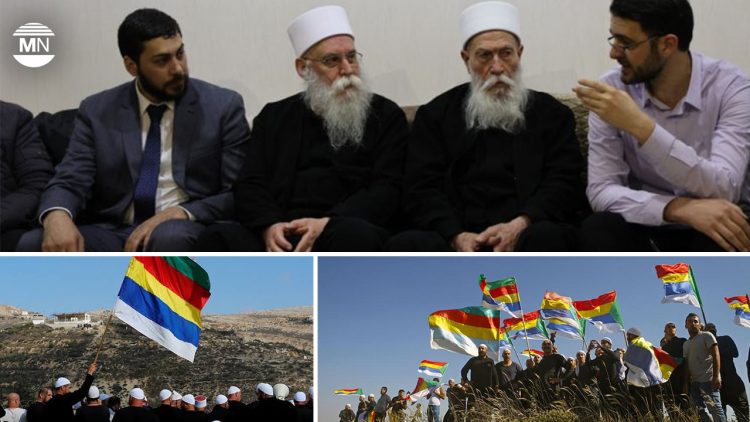
Government officials, Druze clerics and local community leaders convened for an emergency meeting on Tuesday in a bid to de-escalate tensions and prevent further bloodshed. State media later reported that the talks had produced a local agreement aimed at calming the situation, compensating the families of those affected, and ensuring that those responsible for the violence would be held accountable.
The agreement also includes commitments to publicly clarify the circumstances surrounding the incident in order to prevent the spread of misinformation and to discourage sectarian incitement both online and in traditional media. Authorities said the restoration of freedom of movement between Jaramana and the neighbouring Suwayda Governorate, which has a significant Druze population, was a key element of the pact.
Jaramana, a densely populated area with a long-established Druze presence, has been under firm government control but has witnessed repeated tensions over security practices, political marginalisation, and civil rights. While not a hotspot of conflict in recent years, the area has remained sensitive due to unresolved grievances tied to Syria’s complex sectarian and political landscape.
Monday night’s violence, which saw casualties on both sides, marked one of the most serious flare-ups in the Damascus suburbs in recent months. It also highlighted the enduring fragility of Syria’s post-war internal stability, especially in communities where relations with the central state remain strained.
Officials taking part in the reconciliation meeting included Dr Muhammad Ali Amer, the regional representative for Eastern Ghouta, and Ahmad Tu’meh, the political affairs director for Rural Damascus, alongside senior Druze religious figures and local notables from Jaramana. The accord reached during their meeting has been cautiously welcomed by civic voices in the region, though observers warn that such local agreements are often short-lived unless followed by sustained political dialogue and structural reforms.