Published reports on the state of prisons and prisoners in Iran from 1 January to 1 December 2024 highlight a dire situation marked by widespread abuse, torture, and severe health issues. These reports reveal that more than 33,000 months of prison sentences were handed down to critics of the regime, with almost 10,000 lashes inflicted on detainees. Additionally, at least 883 individuals were executed during this period.
Human rights organisations have consistently flagged the appalling conditions within Iran’s prisons. Violations of prisoners’ rights in 2024 include 15 instances of beatings, almost 400 cases of medical neglect or denial of treatment, over 250 reports of illegal transfers to solitary confinement, 61 hunger strikes, and 31 instances of forced deportation or relocation of prisoners. Furthermore, more than 400 cases of threats and intimidation and 18 reports of mental and physical torture were documented.
Among the cases of self-harm and deaths, four prisoners died due to untreated illnesses, while 20 suicides, two instances of self-immolation, and seven murders in prison also occurred.
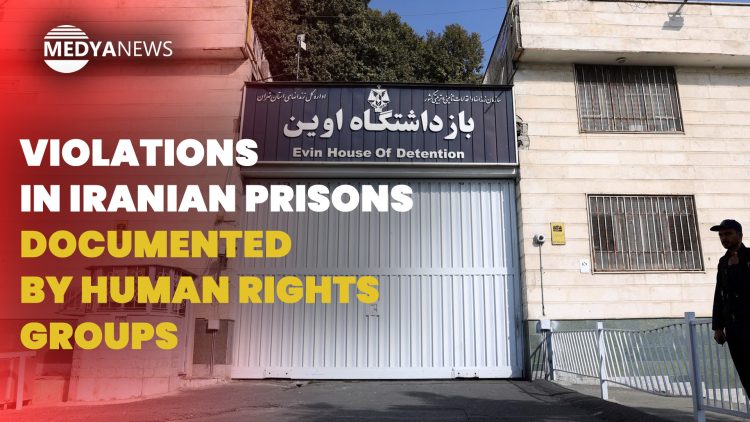
Evin Prison, which houses a significant number of political detainees, has raised particular concern. Prisoners’ access to healthcare is severely restricted, with those suffering from critical illnesses such as diabetes, heart disease, and depression often denied medication or timely medical treatment. In extreme cases, sick prisoners are not transferred to specialised clinics, even when facing life-threatening conditions.
Physical and mental torture remains rampant in Evin. Detainees are subjected to threats, prolonged interrogations, sleep deprivation, and a lack of food and water for extended periods. Many prisoners endure confinement in small, dark, solitary rooms, exacerbating their psychological distress. Forced confessions, often extracted through coercion and threats, have become a standard tool for pressuring political prisoners, human rights advocates, and journalists.
Moreover, overcrowding in Evin Prison continues to worsen, especially in Ward 4, where the inmate population has surged to over 700. With no space available for new detainees, each prisoner is confined to one square metre, underscoring the dire conditions of imprisonment.
Political-ethnic prisoners
Over the past year, the security forces of the Islamic Republic of Iran arrested almost 2,800 citizens for civil or political activities. Among these, 240 individuals belong to ethnic minorities, while 85 are from religious minorities. Regarding freedom of thought and expression in 2024, more than 1,600 people were arrested, with at least 140 of these arrests carried out without judicial warrants. The year also recorded 600 summonses to judicial-security authorities, one case of publication seizure, and 28 convictions involving media outlets. Additionally, judicial authorities sentenced more than 600 detainees to a cumulative total of almost 27,000 months in prison. Among those convicted, 63 were sentenced to lashes and 32 were exiled cumulatively for over 1,700 months, and 100 faced deprivations of social rights.
Of the 240 arrested individuals from ethnic minorities, 186 charges remain unspecified, though security agency practices, particularly in Iranian Kurdistan (Rojhilat) suggest that these detainees are being targeted for advocating ethnic rights. During the same period, eight Kurdish political-ideological prisoners were executed. Among religious minorities, 81 individuals, including Baha’is, Darwishs, and Yarsans (a religious group among Kurds in Kermanshah and Ilam Province in Iranian Kurdistan), received sentences totalling 4,774 months in prison. Additionally, one person was exiled for 60 months.
In the final 10 days of 2024, at least 43 people were detained in Iranian Kurdistan (Rojhilat), including Mahabad, Piranshahr, Baneh, Sarpol-e Zahab, Oshnavieh (S,ino), and Javanrud (Juwanro). The full scale of arrests remains absent from official statistics.
Imprisoned women
Women in Iran are frequently imprisoned for charges such as non-compliance with the Islamic hijab, participation in political activities, or affiliation with the Baha’i faith. In 2024, reports indicate that 644 women were arrested for defying the mandatory hijab laws. At least ten women were sentenced to 57 months in prison and fined, with two women receiving a combined 148 lashes.
Currently, two Kurdish female political prisoners, Pakhshan Azizi and Warisheh Moradi, face execution. Zeynab Jalalian, another Kurdish political prisoner, remains deprived of medical services and is serving a life sentence in Yazd prison. Sanandaj-based political activist and journalist Jina Modares Gorji is also among those incarcerated. Additionally, five Kurdish women are imprisoned on political charges.
Related story:
Kurdish political prisoners in Iran: Eight face execution, life sentences, forced disappearance
A report from the United Nations High Commissioner for Human Rights, published on 23 December 2024, reveals that two-thirds of all Baha’i prisoners are women. Independent human rights experts emphasised that Baha’i women in Iran endure dual oppression—both as women and as members of the Baha’i community. Sexual assault against female prisoners was also documented in 2024.
Issuing and executing sentences in Iranian prisons
In 2024, published statistics reveal that over 200 individuals were sentenced to death, and 883 executions were carried out. Among these, four were conducted publicly. It was revealed that 772 were men and 26 were women, while the gender of some remains unspecified. Five individuals executed this year were under 18 years old at the time of their alleged crimes, falling into the legal category of “child criminals”. Furthermore, the Supreme Court upheld the death sentences of 54 individuals previously convicted.
The execution of sentences saw an almost 20% increase compared to 2023, while the issuance of death sentences rose by one third. Among prisons implementing death sentences, Qezal Hesar Prison in Karaj and Adel Abad Prison in Shiraz recorded the highest number of executions.
On 13 December, Human Rights Watch released a statement denouncing the Iranian government’s systematic denial of medical care to political prisoners as a means of oppression. The organisation emphasised that these practices intensify prisoners’ suffering, resulting in “unnecessary pain” and, in some instances, “preventable deaths”. Particular concern was raised for Kurdish political prisoners Zeynab Jalalian and Warisheh Moradi, who are facing life imprisonment and execution, respectively.
Related story:
Women’s rights activist Warisheh Moradi sentenced to death in Iran
Additionally, on 17 December, the United Nations General Assembly passed a resolution condemning human rights violations in Iran, following its prior approval by the Assembly’s Third Committee. Amnesty International, in a statement and a letter to Gholamhossein Mohseni Ejei, head of Iran’s judiciary, outlined the prevalence of torture in Iranian prisons.
On 19 December, Amnesty International issued a dire warning concerning the fate of at least ten young individuals arrested during the 2022 “Woman, Life, Freedom” (Jin, Jiyan, Azadi) uprising in Tehran’s Ekbatan neighbourhood. The organisation highlighted the imminent risk of execution these individuals face, condemning their convictions as the outcome of “fabricated and grossly unfair trials”.
Visions of 2025
The lived political experience in Iran underscores a stark pattern: the Islamic Republic of Iran’s rulers, indifferent to global progress, continue to wield repression as a tool to silence or imprison political dissent by any means necessary. Meanwhile, the regime’s policies have deepened economic hardship year after year, compounding social issues and crime rates—factors that inevitably contribute to the growing number of political prisoners.
As 2025 approaches, prospects for meaningful change appear grim. Without a significant shift, there is little hope for advancing citizens’ rights, securing justice for ethnic and religious minorities, or abolishing the death penalty. Likewise, aspirations for improving living standards—key to addressing the root causes of rising incarceration rates and enhancing prison conditions—remain distant under the current trajectory.