Kurdish political activist Ecevit Piroğlu, held as a political prisoner by Serbian authorities for three years in contravention of the rulings of Serbia’s own Belgrade Court of Appeal, was released on 9 July. Piroğlu was first arrested in the country in 2021 under aTurkish request for his extradition, a threat the prisoner protested against with a strict and prolonged 136-day hunger strike behind bars, to the extent of endangering his own life.
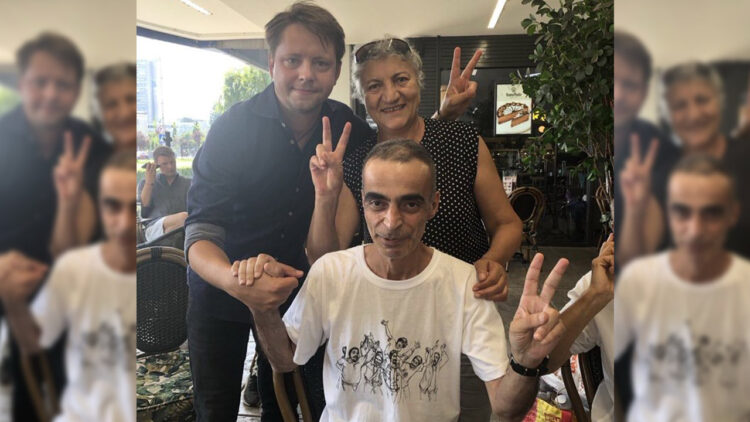
Photos of Piroğlu, emancipated but smiling, sitting free in a café, have come as a victory for his family, friends, lawyers and international supporters, who have relentlessly campaigned for recognition of his case by the European Court of Human Rights (ECtHR) and demanded action to uphold the ruling of the Serbian court.
Repeated Belgrade rulings over the course of Piroğlu’s detention deemed the case against him “unlawful” on grounds of being “removed from concrete facts and lacking evidence”. Solidarity groups condemned the Serbian authorities for acting at the behest of the Turkish government. “Serbia, a stolen republic, has been reduced to a hunting dog of the regime of Recep Tayyip Erdoğan,” said Belgrade Professor Jovo Bakić before the release was announced.
Campaigning efforts for the release of the political prisoner were organised under the banner ‘Freedom for Ecevit Piroğlu’, with an active X (formerly Twitter) page gaining nearly 6,000 followers. The case has garnered widespread international attention from human rights advocates who warned against the unlawful detention and deportation of Piroğlu, and pushed the urgency of the case in light of a risk to life during his hunger-strike.
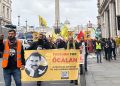
Protests were held recently outside the Serbian embassy in Strasbourg, France, and simultaneous demonstrations also took place in Germany’s Düsseldorf, Amsterdam in the Netherlands and Antwerp in Belgium.
While Kurdish political activists, facing persecution in Turkey and seeking safety in Europe, are increasingly faced with criminalisation and extradition requests, Piroğlu’s release has been heralded as an example of the power of internationalist solidarity struggles to secure justice.