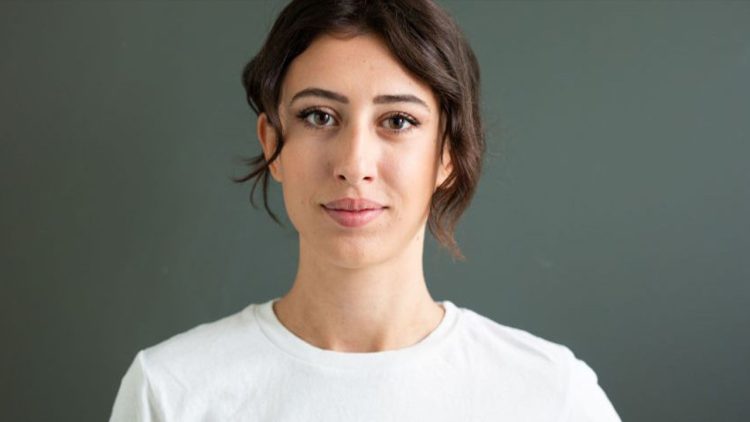
The Italian journalist Cecilia Sala has been detained in Iran since 19 December, according to a press release from the Italian Ministry of Foreign Affairs and International Cooperation. Although the reason for her detention is still unclear, Sala has received a visit from the representative of the Italian embassy in Iran and has had two telephone calls with her family.
A communiqué from Chora Medya, a platform for which the journalist works, announced on Friday that Sala is being held in an isolation cell in Tehran’s notorious Evin prison. It said that she had left Rome on 12 December for Iran and had been expected to return on 19 December, but that communication with her was lost on that day.
She has spoken with her family twice and has been visited by the Italian ambassador to Iran,” said Italian Foreign Minister Antonio Tajani. He said that Sala was in good health. The Italian National Council of Journalists has expressed its solidarity and closeness to Sala and her family.
Cecilia Sala is the author of the podcast ‘Stories‘, known for giving people a voice on current affairs. While in Iran, Sala released two episodes of her ‘Stories’ series, featuring two Iranian women. The first was Zeinab Musavi, Iran’s most famous online comedian, who is out on bail being tried by the Iranian authorities for a joke she made in an online show, and who was herself held in an isolation cell when she was originally arrested in 2022. The second episode featured ‘Diba’, a young Iranian woman who has spoken out publicly about the suppression of women’s rights in Iran, and also took part in the Jin, Jiyan, Azadi (Woman, Life Freedom) protests in 2022. Both these women debated the issue of patriarchy in Iran with Sala.
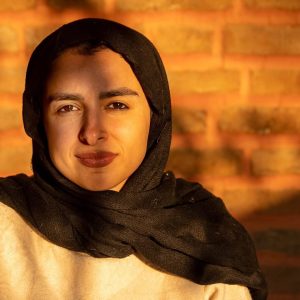
Cecilia Sala’s arrest follows the arrest of another Italian journalist, Alessia Piperno, in 2022. Piperno was detained by the Iranian authorities in Evin prison for over 40 days. Her arrest, never justified by Iran, took place at the time of the Jin, Jiyan, Azadi protests, which spread across Iran following the death of the young Kurdish woman Jina Amini at the hands of the Iranian morality police.
Evin Prison in Tehran is the place of detention for many Iranian women nationals accused of crimes against the Iranian regime, such as the Kurdish political prisoners Warisheh Moradi and Pakhshan Azizi. Moradi and Azizi, who are both currently under sentence of death, are a symbol of women’s resistance in Iran and various international campaigns have expressed solidarity with both of them. Another Iranian woman, the student Ahoo Deryaei, was detained on 2 November and kept at an unknown location for several weeks, after being abducted by security forces when she protested against harassment from Iran’s paramilitary Basij militia by stripping down to her underwear while at university. An Iranian judiciary spokesperson said on 21 November that she had been released into the care of her family.
Related story:
Ahoo Daryaei’s defiant stand: The Woman, Life, Freedom Movement’s fight against repression in Iran
Iranian women rose up against the Iranian regime during the Jin, Jiyan, Azadi protests in 2022. The echo of the protests still resonates today against the state’s oppression of women through the suppression of rights, freedom of expression and marginalisation in social roles. The system of “man, state, violence” clashes with the system of “Woman, Life, Freedom”, according to a recent analysis by the Jineoloji Academy. Women are the first and most exposed victims of patriarchy, especially when they try to make their voices heard. But, as the analysis concludes, “Those who resist are the ones who really make history”. Cecilia, Jina, Pakhshan and Warisheh stood in the way of women who fought to report, to speak out and to defend human and women’s rights.