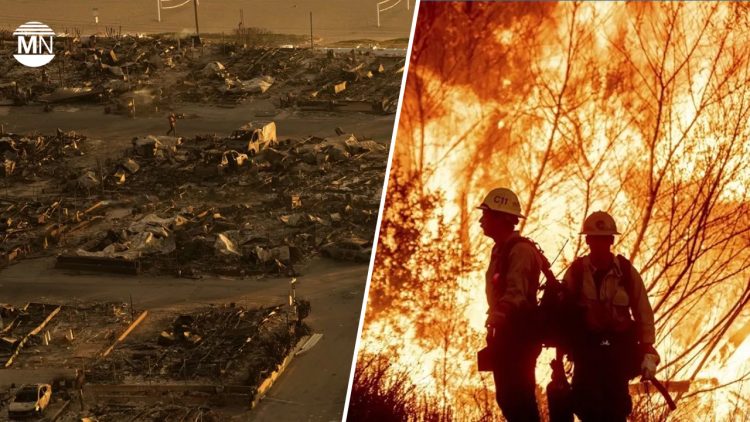
Los Angeles continues to battle multiple wildfires, with the Eaton and Palisades fires causing devastation across the region. As of 13 January 2025, 24 deaths have been reported, with 16 people still missing. The fires have destroyed more than 12,300 structures, damaged more than 10,000 others and displaced more than 200,000 residents. The Palisades fire alone has burned almost 24,000 acres, with less than 30% of the blazes contained.
California Governor Gavin Newsom described the wildfires as potentially the worst natural disaster in US history, both in terms of scale and of economic cost. Damage is estimated at between $50 billion and $150 billion, with insured losses approaching $20 billion. Newsom has issued an executive order to expedite disaster relief, while also launching an investigation into LA County’s water management amid reports of infrastructure failures during the fires.
Firefighters continue to face challenges, including strong Santa Ana winds that have intensified the spread of the fires. Despite these conditions, aerial firefighting efforts are continuing, using planes, helicopters and drones to drop water and fire retardant. LA Fire Chief Kristin Crowley emphasised the critical role of wind patterns and urged residents to heed evacuation orders and remain prepared.
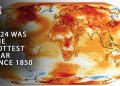
Experts such as writer John Vaillant highlight the role of the climate crisis in fuelling these ‘supercharged’ fires, which are more intense and destructive than in the past. Rising temperatures, prolonged droughts and strong Santa Ana winds have created the conditions for these catastrophic events. Vaillant described the fires as a stark warning of humanity’s strained relationship with nature, emphasising the urgent need for systemic change.
Firefighters, aided by aerial resources, are battling the blazes despite shifting winds that increase the risk of further spread of fire. LA Fire Chief Kristin Crowley urged residents to stay informed and heed evacuation orders, highlighting the critical role of wind in determining the behaviour of the fires.
Meanwhile, hazardous smoke continues to affect air quality, threatening the health of millions of people. As efforts to control the fires continue, the disaster serves as a stark reminder of the urgent need to address the climate crisis and its far-reaching consequences.
Related Article :
Wind-driven wildfires force mass evacuations in Los Angeles