

In an exclusive report, Reuters, citing eight anonymous sources, revealed that the Trump administration has repeatedly pressured Iraq’s central government to allow the Kurdistan Regional Government (KRG) to resume oil exports, aiming to cut Iran’s oil exports to zero. Should Baghdad refuse, the United States has threatened to impose sweeping sanctions on the country.
The report further states that Trump wants Iraqi Prime Minister Mohammad Shia al-Sudani to sever economic and military ties with Iran. Last week, Reuters reported that Iraq’s central bank, at the request of the US Treasury, blocked five additional private banks from accessing dollars.
Following these claims, Farhad Aladaddin, Iraq’s prime minister’s foreign affairs adviser, denied any US “pressure” or threats of sanctions against Baghdad in an interview with Reuters.
Meanwhile, officials in the KRG have also indicated mounting US pressure on Iraqi authorities in their recent statements.
Kamall Mohammad, the KRG’s Minister of Natural Resources, stated in a 17 February interview that there were no major obstacles to resuming the Kurdistan Region’s oil exports. If Turkey is prepared, he added, the process could begin before March.
Nechirvan Barzani, the head of the KRG, told Bloomberg that discussions with Turkish officials on resuming oil exports were expected in the coming days.
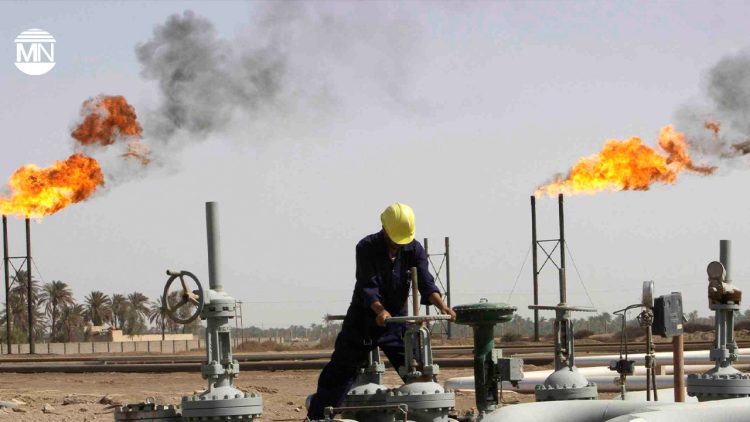
On 22 February, Iraq’s Oil Minister Hayan Abul-Ghani unexpectedly announced that oil exports from the Kurdistan Region would resume next week. The decision could resolve a nearly two-year dispute that had halted the daily flow of over 300,000 barrels of oil from the Iraqi Kurdish region to global markets via Turkey.
Sources told Reuters that pressure from the new US administration played a decisive role in this development.
A swift resumption of oil exports from the Kurdistan Region could potentially counterbalance a decline in Iranian oil exports. The US has aimed to cut Iran’s oil revenues to zero in an effort to curb Tehran’s nuclear ambitions and drain its financial resources used to support proxy groups across the region.
In response to Washington’s “maximum pressure” campaign, Iranian Foreign Minister Abbas Araghchi dismissed the policy as a “failed experiment”, asserting that “repeating it will only lead to failure”. Similarly, Iranian Oil Minister Mohesen Paknejad reacted to Trump’s push to eliminate Iranian oil exports, declaring, “They will never achieve this dream”.


