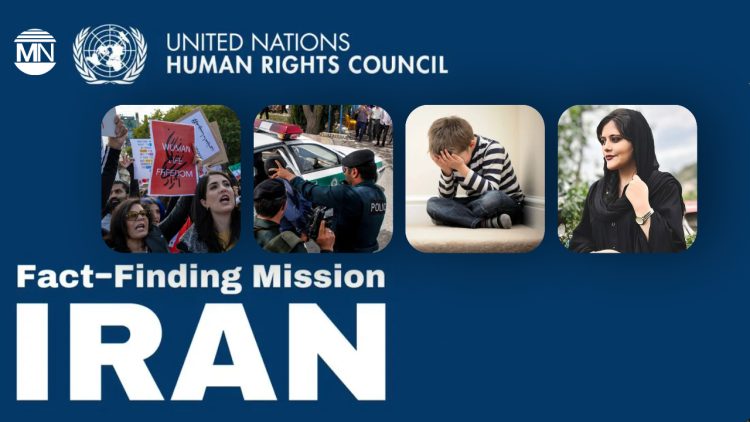
After two and a half years of collecting and verifying 38,000 testimonies and directly interviewing 285 victims of and witnesses to the events in Iran following the Jin Jiyan Azadî uprising in September 2022, a UN fact-finding mission published its report on Iran on Friday, 14 March.
In presenting the findings of the Iran report on the sidelines of the UN Human Rights Council in Geneva, Chairperson Sara Hossain highlighted the systematic repression and severe human rights violations perpetrated by the Iranian authorities.
Hossain started her presentation referring to the treatment of children:
We gathered evidence of unnecessary and unlawful use of force against children, both girls and boys, and we heard many harrowing accounts of harsh physical and psychological torture, and a wide range of serious fair trial and due process violations committed against children, including some as young as seven years old.
She further highlighted the disproportionate targeting of ethnic and religious minorities during the uprising:
We also deepened our investigations into the situation of ethnic and religious minorities, finding that they had been specially targeted in the context of the protests and that some of the most egregious violations were carried out in peak protest towns in minority-populated regions.
In another part of her address, Hossain highlighted the tragic death of Kurdish woman Jina (Mahsa) Amini at the hands of Tehran’s morality police.
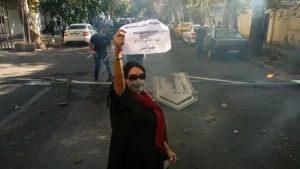
She noted the harsh torture of citizens by security agencies, and went on to talk about the suppression of women:
Since April 2024, the state has escalated its criminal prosecution of women defying the mandatory hijab through the implementation of the so-called ‘Noor Plan‘.
Testimonies collected from both within and outside Iran “revealed instances of men, women and children being detained, in some cases at gunpoint, with nooses placed around their necks as a form of psychological torture,” Hossain said.
In parallel, expert member of the fact-finding mission Shaheen Sardar Ali, detailed the Iranian government’s use of technology to enforce systematic repression.
Surveillance online was a critical tool for state repression, Instagram accounts were sut down and SIM cards were confiscated, in particular of human rights defenders, including women. We found an alarming pattern of systematic repression and silencing of victims and their families, including through summons, detentions and prosecutions, and preventing them from commemorating the deaths of their loved ones, with violence escalating during the anniversary of the protests.
Ali referred to the Nazer app, a government-backed tool enabling citizens to report individuals for non-compliance with mandatory hijab laws, highlighting the regime’s increasingly intrusive surveillance tactics.
The Islamic Republic has continued to deny access to key members of the committee, including the UN Special Rapporteur, preventing them from entering the country or reviewing judicial files.
A second report from the fact-finding mission is due to be presented to the UN Human Rights Council in Geneva on Tuesday.
The Special Rapporteur on Iran released the 21-page written report of the fact-finding mission on 15 March. The report covers the troubling situation of citizens in Iran, raising serious concerns over the growing numbers of executions, heightened repression and widespread violations of women’s rights and freedom of expression in Iran. The report highlights the Iranian government’s systematic efforts to silence dissent, particularly targeting women, ethnic minorities and human rights defenders.