

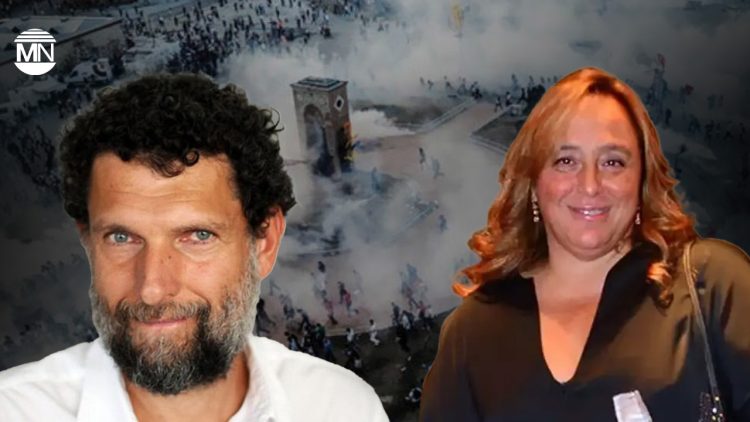
Jailed Turkish philanthropist Osman Kavala has condemned the recent arrest of talent manager Ayşe Barım, describing it as part of a wider pattern in which Turkish authorities bypass the need to establish legal connections between accusations and evidence.
Barım, a businesswoman and co-founder of ID Danışmanlık, was detained on 24 January and subsequently arrested on charges of attempting to overthrow the Turkish government in relation to the 2013 Gezi Park protests. Prosecutors cited her alleged communication with Kavala as evidence against her, despite phone records showing that their conversations began after the protests had ended.
Related Articles
Turkish gov’t created precedence in criminalising 2013 Gezi Protests: Osman Kavala

Turkey probes media over 2013 Gezi protests amid new arrests
In a statement issued from prison on 7 February, Kavala argued that Barım’s case mirrors the arrests of opposition politicians, journalists, and elected mayors.
“What these arrests have in common is that there is no longer any need to establish a legal connection between accusations and the actions of the accused or to present credible evidence,” he said.
Kavala further claimed that the legal precedents set during the Gezi trial were now being used to normalise such practices.
Barım has denied all charges, stating that she never directed artists to participate in the protests, as alleged by prosecutors. Her arrest follows a broader crackdown on opposition figures and civil society actors in Turkey, raising fresh concerns about the state of judicial independence and political freedoms in the country.
Kavala, who has been imprisoned since 2017 despite European Court of Human Rights rulings calling for his release, remains a central figure in discussions on human rights and democracy in Turkey.


