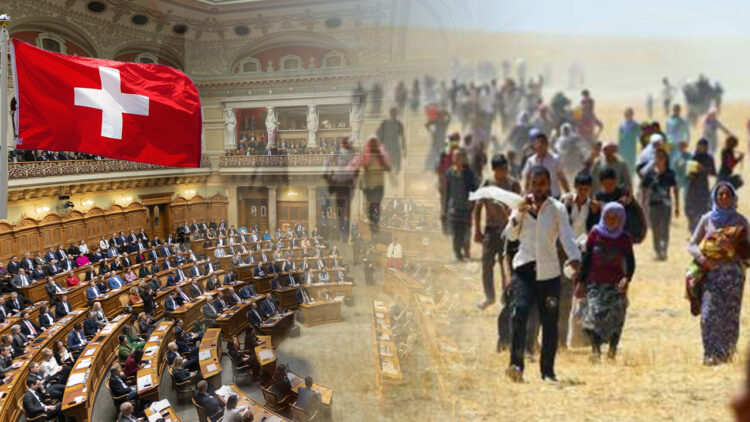
In a historic move, the Swiss National Council has officially recognised the 2014 atrocities against the Yazidi minority in northern Iraq as genocide, marking a significant step towards justice for victims of ISIS atrocities.
In a landmark decision on Tuesday, the Council adopted the motion with 105 votes in favour, 61 against, and 27 abstentions, after years of international advocacy and parliamentary debates. The resolution condemns the systematic killing, enslavement, and cultural destruction carried out by ISIS against the Yazidis, affirming that these crimes were executed with genocidal intent.
“The United Nations has already classified these crimes as genocide,” MP Sibel Arslan of the Green Party emphasised during the debate. “We must ensure that these atrocities do not go unpunished. Recognising them as genocide is a moral and legal obligation.”
The Swiss Social Democratic Party congratulates the decision as “an important step for the victims as well as for dealing with and preventing the terrible crimes of ISIS”.
The declaration not only condemns the atrocities but also instructs the Federal Council to advocate for international reparations and justice for Yazidi victims. MP Fabian Molina, who introduced the motion in June 2023, had called for Switzerland to align itself with similar recognitions made by the United Nations and other international actors.
The motion faced resistance from members of the Swiss People’s Party (SVP), with MP Pierre-André Page expressing concerns about the implications of parliamentary recognition. “It is not the role of the Swiss Parliament to adjudicate on international crimes. This sets a troubling precedent,” Page warned, reflecting broader hesitations among dissenting MPs over the scope of parliamentary responsibility. Despite these objections, the majority within the National Council sided with the Foreign Affairs Committee (APK-N), which had earlier recommended the motion’s adoption.
EMBED THESE RELATED ARTICLES HERE
Related Article:
Yazidi Genocide 10th anniversary: Kurdish congress urges Sinjar to determine its own fate
Northern Syria’s Autonomous Administration calls for international recognition of Yazidi genocide anniversary
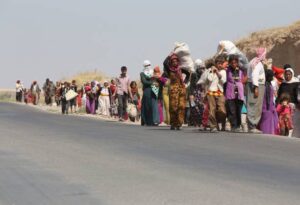
The Yazidi Genocide began on 3 August 2014, when ISIS forces launched a brutal assault on the Sinjar (Şengal) region of Iraq. Over 5,000 Yazidis were massacred, and more than 7,000, predominantly women and children, abducted. Survivors recounted harrowing tales of enslavement, sexual violence, and forced conversions, while thousands remain missing to this day.
Following widespread condemnation of the atrocities, international organisations, including the United Nations, officially classified the crimes as genocide, and more than 19 national governments and international bodies, such as the European Union, Germany, the United States, France, and the United Kingdom, have since formally recognised the Yazidi Genocide, urging accountability for the perpetrators and reparations for the victims.
Switzerland’s recognition carries symbolic weight, particularly in its capacity as a diplomatic actor. The National Council’s resolution includes a directive to disseminate the declaration globally via Swiss embassies and missions, underscoring the country’s commitment to promoting justice and accountability on an international level.
“Recognising the Yazidi genocide strengthens Switzerland’s stance against terrorism and its dedication to human rights,” stated a representative from the Foreign Affairs Committee. The decision also aligns Switzerland with a growing list of nations acknowledging the Yazidi genocide, contributing to a broader international push for justice.
Efforts to raise awareness and secure reparations for the Yazidi community have been championed by activists, including Nobel laureate Nadia Murad, herself a survivor of ISIS captivity. Murad has repeatedly called on the global community to acknowledge the genocide and prioritise the reconstruction of Sinjar, where displaced Yazidis continue to face dire conditions.
For the Yazidis, the Swiss recognition represents a vital acknowledgement of their suffering and resilience. “We must not forget the Yazidi victims or allow their plight to fade into obscurity,” Arslan urged. The National Council’s decision is expected to bolster international initiatives aimed at ensuring accountability and fostering long-term recovery for the Yazidi people.