

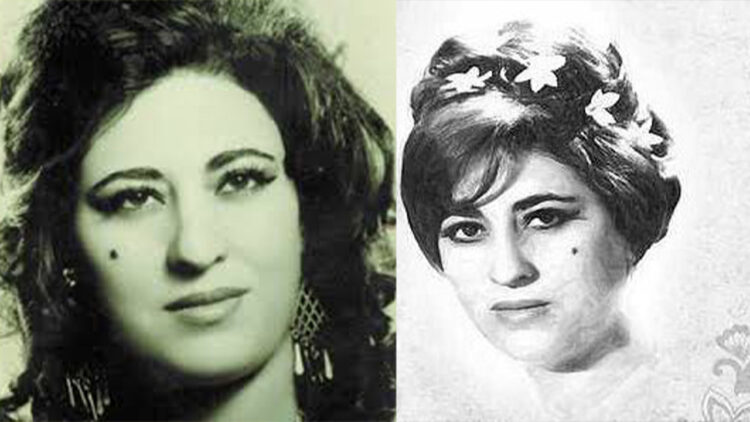
December 18 marks the 28th anniversary of the death of Eyşe Şan, a pioneering Kurdish musician and cultural icon who dedicated her life to the struggle against assimilationist policies, patriarchal oppression, and the silencing of Kurdish identity. Known among the Kurdish community as the “uncrowned queen”, Eyşe Şan remains a symbol of resilience and hope.
Born in 1938 in Diyarbakır (Amed) as one of three daughters in a family of four children, Eyşe Şan’s love for music was influenced by her dengbêj (traditional Kurdish folk singer) father. However, her early attempts to sing were met with societal condemnation, labelling her passion as “sinful” and “shameful” via embedded patriarchal codes of society. Undeterred, Eyşe Şan moved to Antep (Dîlok), where she worked as a seamstress while continuing to develop her musical craft.
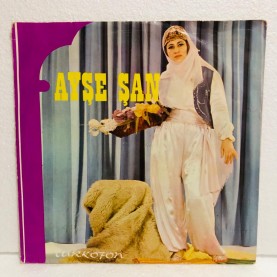
In 1963, she relocated to Istanbul, releasing her first record featuring songs in both Kurdish and Turkish. The track Ez Xezal im (I am a deer in Kurmanji) brought her acclaim, but her decision to sing in Kurdish invited political repression. By 1972, Eyşe Şan was forced into exile in Germany, where she continued her musical journey and gained a broader audience. During this period, she performed on international platforms, including BBC Radio.
Kurdish child bride reflects on the hopeful sound of Radio Yerevan
Dîsa ”once again” Radio Yerevan (Erivan) Kurdish Melodies Reinterpreted with Classical Music
Her later years took her to Baghdad, where she collaborated with renowned Kurdish artists like Mihemed Arif and Hesen Cizrawi. Through songs such as Werin Pêşmerge (Come on Peshmerga fighters) and Newroz Dîyarbekir (Kurdish New Year), Eyşe Şan expressed unwavering support for the Kurdish freedom movement.
Despite her longing to return to Diyarbakır and reunite with her mother, familial opposition prevented her from fulfilling this dream. The grief of her mother’s passing deeply impacted Eyşe Şan, who channelled her sorrow into the poignant song Dayikê (Mother).
Eyşe Şan spent her final years in İzmir, where she passed away from cancer on 18 December 1996, living alone and leaving behind a legacy of resilience and artistry. Her discography includes iconic songs like Zerî Heyran (Admire Zeri), Xezal Xezal (Deer Deer), and Xerîbim Dayê (I am foreign mother), which continue to inspire new generations.
A beacon for women’s empowerment
Belkısa Süleymanoğlu Bitkin, director of Jîn Art House in İzmir, emphasises Eyşe Şan’s enduring influence. “Eyşe Şan was a symbol for every Kurdish woman, a shining example of resistance against the patriarchal system. Her struggle and music offered hope to countless women,” Bitkin said.
Bitkin highlighted how Eyşe Şan never wavered in her fight against assimilation, societal repression, and gender-based discrimination. “Her unwavering spirit lights our path even today,” she noted, adding that Eyşe Şan’s life and art continue to inspire thousands of women to stand against oppression.


