

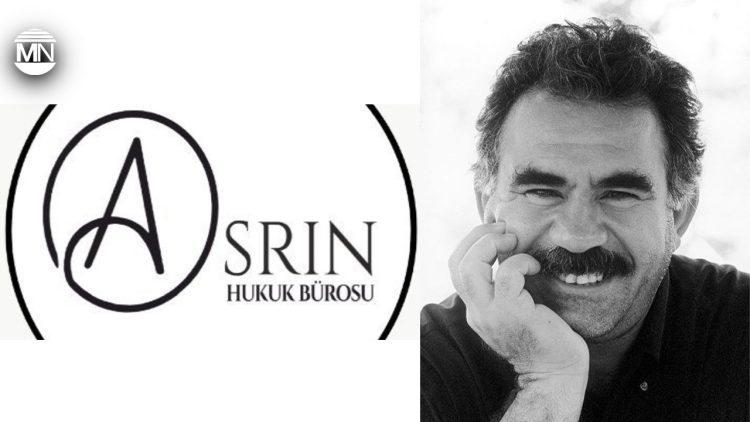
A statement released today by the Asrın Law Office draws attention to the 26th anniversary of the capture of Abdullah Öcalan, leader of the Kurdistan Workers’ Party (PKK). Öcalan, who was taken into Turkish custody in 1999, has since been held in a high-security prison on İmralı Island under what his lawyers describe as “strict isolation measures”.
According to the statement, Öcalan’s arrest – described by his legal team as an “international conspiracy” – has far-reaching implications not only for Kurdish communities, but also for peace and democracy in Turkey and the Middle East in general. The Asrın Law Office claims that the restrictions originally imposed on Öcalan have gradually permeated the wider prison system, contributing to a deterioration in human rights conditions.
The lawyers claim that Öcalan’s continued isolation violates both domestic and international law and hinders efforts to resolve the Kurdish question through democratic means. They also point to the economic and political consequences, arguing that continued isolation perpetuates the conflict, deepens social divisions and delays prospects for peace.
Despite these conditions, Öcalan reportedly conveyed messages during meetings with his lawyers in late 2024, stressing the importance of ending isolation as a step towards promoting democracy and peaceful coexistence in Turkey and beyond. The statement concludes by calling on the Turkish authorities to end what it calls the “İmralı isolation system” and ensure Öcalan’s physical freedom – an action it says is essential for a comprehensive and lasting solution to regional tensions.
Turkish government officials have not yet issued a detailed response to the latest statement. In previous statements, however, the authorities have reiterated their position that Öcalan’s detention and related measures are matters of national security. The international community continues to monitor developments closely, with analysts noting that the debate over Öcalan’s status remains a key factor in Turkey’s wider democratic and human rights discourse.


