

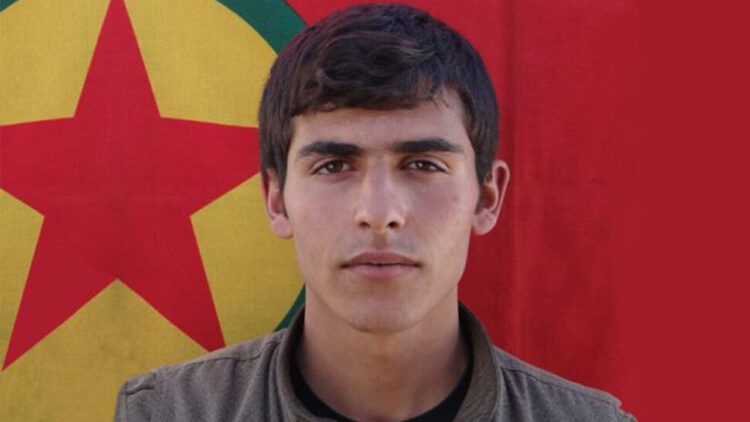
Kurdish fighter Ethem Özdemir is at risk of imminent execution by Iranian authorities, the Kurdistan Human Rights Network (KHRN) has warned. In a recent development, Iran’s top court reportedly approved the judicial verdict against People’s Defence Forces (HPG) fighter Özdemir, sentenced to death on charges of ‘enmity against God’.
Özdemir was arrested in 2019 after a clash between the Islamic Revolutionary Guard Corps (IRGC), Iran’s security forces, and the HPG, a military wing of the Kurdistan Workers’ Party (PKK), in the West Azerbaijan border region. The man was allegedly subjected to 50 days of torture by intelligence services before being transferred to prison.
In March 2022, after 33 months of detention, Özdemir was sentenced to death and five years behind bars on charges of ‘armed insurrection’ and ‘membership of a terrorist group’. He was denied legal representation and medical care throughout. A 2023 appeal against the guilty verdict temporarily stalled proceedings, however, the recent court approval places Özdemir at immediate risk of hanging for the second time.
The human rights situation in Iran is rapidly deteriorating, with an increase in political executions of prisoners in recent months. According to the Iranian Human Rights Activists News Agency (HRANA), there were some 66 executions during April, with three female prisoners and 56 men among the victims. More have continued throughout May, at an average rate of 10 executions per week.
According to human rights watchdog HRANA, Iran persists in executing individuals for offences falling short of the standards outlined in the United Nations multilateral treaty on civil and political rights.
Iranian authorities have used capital punishment to intimidate popular resistance related to involvement in the mass anti-government women’s liberation protests that sprung up in the country after the police killing of Kurdish woman Jina Mahsa Amini in 2022. Executions for drug-related offences are also widespread, against international law. In a recent high-profile case, Kurdish rapper Toomaj Salehi was sentenced to death for ‘corruption on earth’, after calling out human rights abuses in Iran through his music.
Meanwhile, Kurdish journalist Jîna Muderîs Gurcî has been sentenced to 21 years imprisonment by an Iranian revolutionary court, tried on several charges related to her women’s rights advocacy and journalistic activities. Reporters Without Borders ranks Iran 176th out of 180 countries in terms of press freedom and the safety of journalists.


