

🔴Harsh conditions in Turkish mass detentions spark global outcry
📌Crackdown in Turkey: Journalists endure inhumane conditions in mass detentions.#Turkey | #PressFreedom | #Crackdown
🔗https://t.co/CfrYHP4pNs pic.twitter.com/qYvzYjqhSQ— MedyaNews (@medyanews_) November 27, 2024
In a nationwide operation spanning 30 provinces on Tuesday morning, Turkish authorities detained 231 individuals, including journalists, writers, and human rights activists, on charges ranging from “propaganda for an organisation” to “damage to public property”. The detentions, part of an investigation based in Eskişehir, Turkey, have drawn widespread condemnation from press freedom advocates, who label the crackdown a politically motivated assault on free expression.
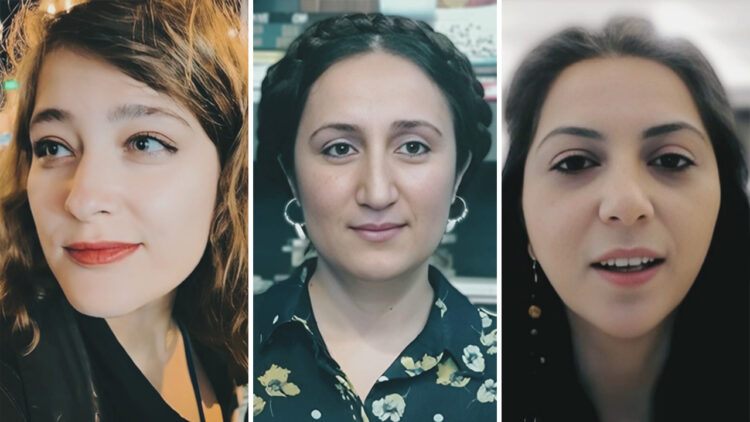
The detainees, transported under harsh conditions, include prominent figures such as poet Hicri İzgören (74), translator-writer Ömer Barasi, cartoonist Doğan Güzel, and Mesopotamian Women Journalists Association president Roza Metina. Among the journalists detained are Gülcan Dereli, Erdoğan Alayumat, Tuğçe Yılmaz, Serap Güneş (a translator and journalist), Bilge Aksu, Ahmet Sünbül, Bilal Seçkin, Mehmet Ücar, Suzan Demir, and Ardın Diren (a translator and director). Human rights defender and Human Rights Association (İHD) co-founder Nimet Tanrıkulu was also detained. Activists and politicians, including members of the pro-Kurdish Peoples’ Equality and Democracy (DEM) Party, have also been targeted.
The Media and Law Studies Association (MLSA) reported that detainees were subjected to an eight-hour handcuffed journey to Eskişehir, with limited access to food, water, and basic needs. Lawyer access was restricted under a 24-hour ban, while authorities imposed confidentiality orders on the investigation, obscuring case details and raising concerns over due process.
Civil society organisations have condemned the operation, dubbed “GÜRZ-27,” as a continuation of systematic repression targeting Kurdish voices and opposition groups. Critics argue that the crackdown is designed to silence dissenting voices ahead of key political milestones.
In Diyarbakır (Amed), simultaneous arrests were reportedly linked to protests against government-appointed trustees replacing elected officials. Mardin (Mêrdîn) witnessed the detention of nine members of a single family, further intensifying concerns about collective punishment and sweeping generalisations in the investigation.
The Turkey Writers’ Union expressed “deep concern” over the detention of İzgören, a prominent poet with health issues, calling his arrest an affront to the country’s literary heritage. Women Press Freedom and other advocacy groups have demanded the immediate release of all detained journalists, describing the operation as a “coordinated effort to stifle the truth”.
The Interior Ministry defended the arrests, citing charges of organisational propaganda and public property damage. However, MLSA lawyers have initiated legal challenges, arguing that the investigation lacks transparency and violates fundamental rights.
International press freedom bodies, including the Women Press Freedom, have urged swift action to address what they see as an alarming erosion of democratic norms in Turkey. Critics argue that the scale and nature of the operation highlight a government increasingly intolerant of dissent and alternative voices.
As legal proceedings unfold, the detentions signal escalating tensions between Turkish authorities and civil society, leaving the future of free expression and democratic principles in the balance.


