Sarah Glynn
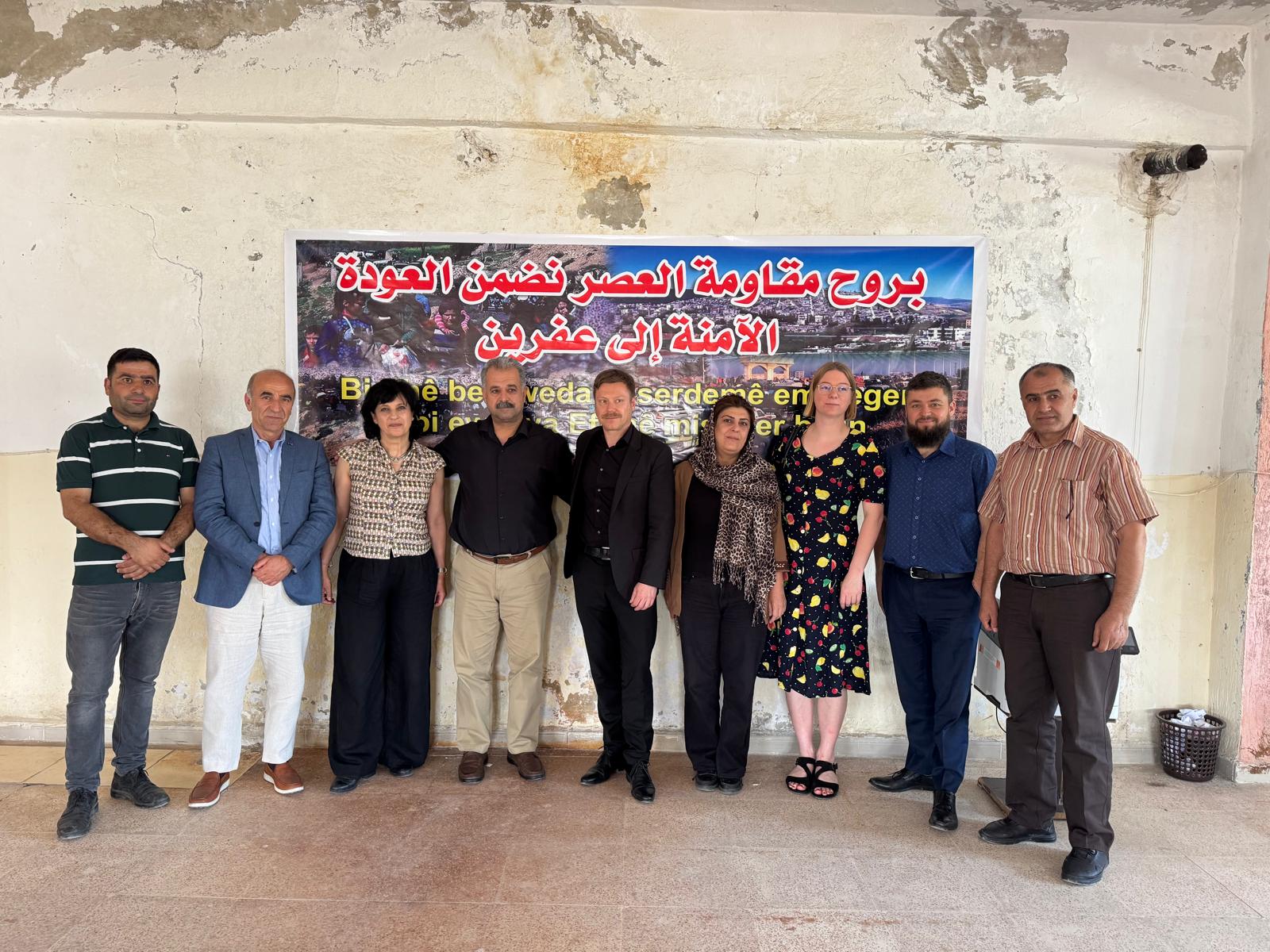
The North East Syria–Rojava visit of Martin Schirdewan MEP and his delegation continued on 29 May with meetings in Raqqa and Kobanê. Schirdewan, co-chair of The Left in the European Parliament, is leading the highest-level delegation to date from the European Parliament to North and East Syria. He is accompanied by Philip Degenhardt, Deputy Executive Director and Head of the International Department of the Rosa Luxemburg Foundation; Fayik Yağızay, the representative of the pro-Kurdish DEM Party to the European institutions in Strasbourg; Nora Friese-Wendenburg, Schirdewan’s assistant; and Sarah Glynn, a member of the delegation.
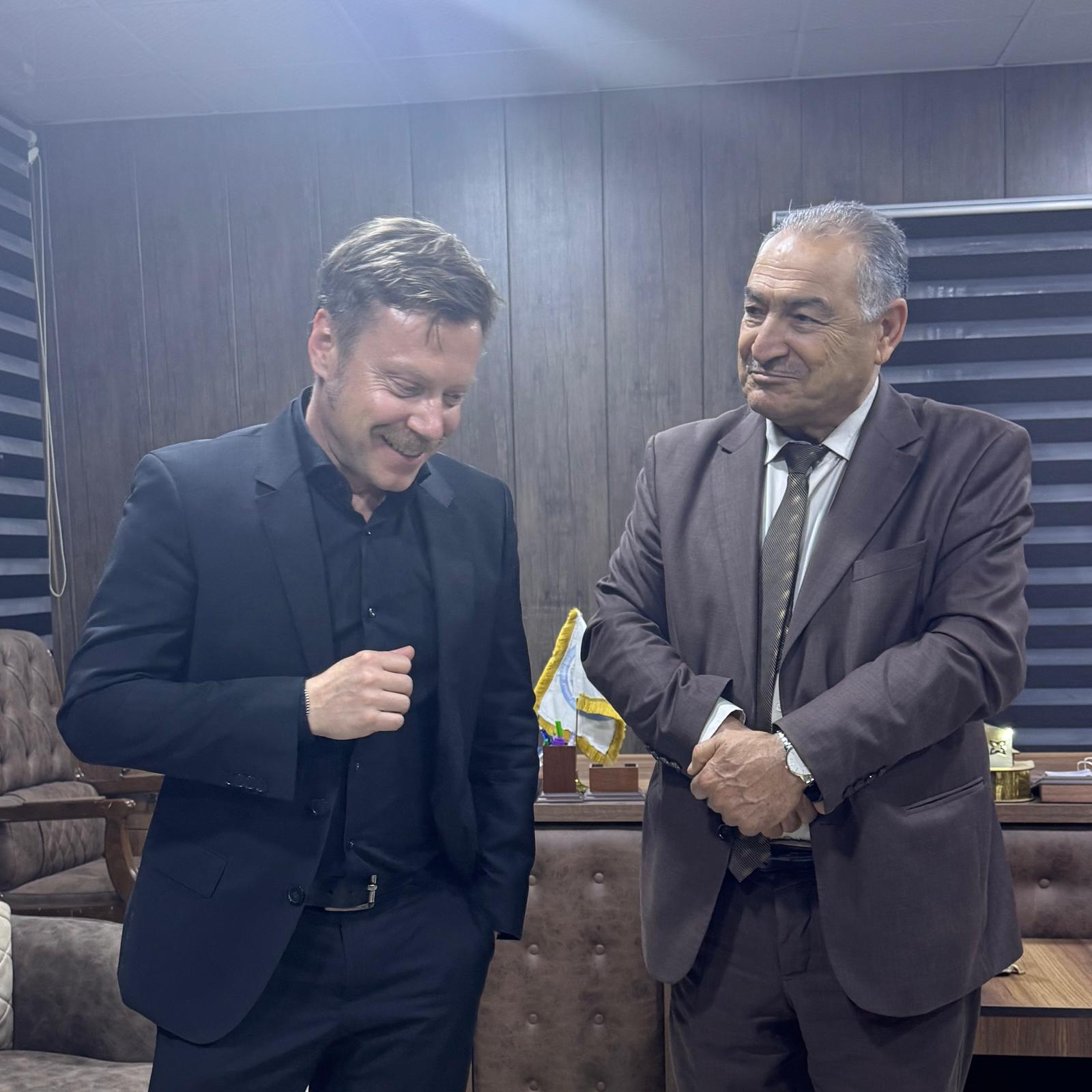
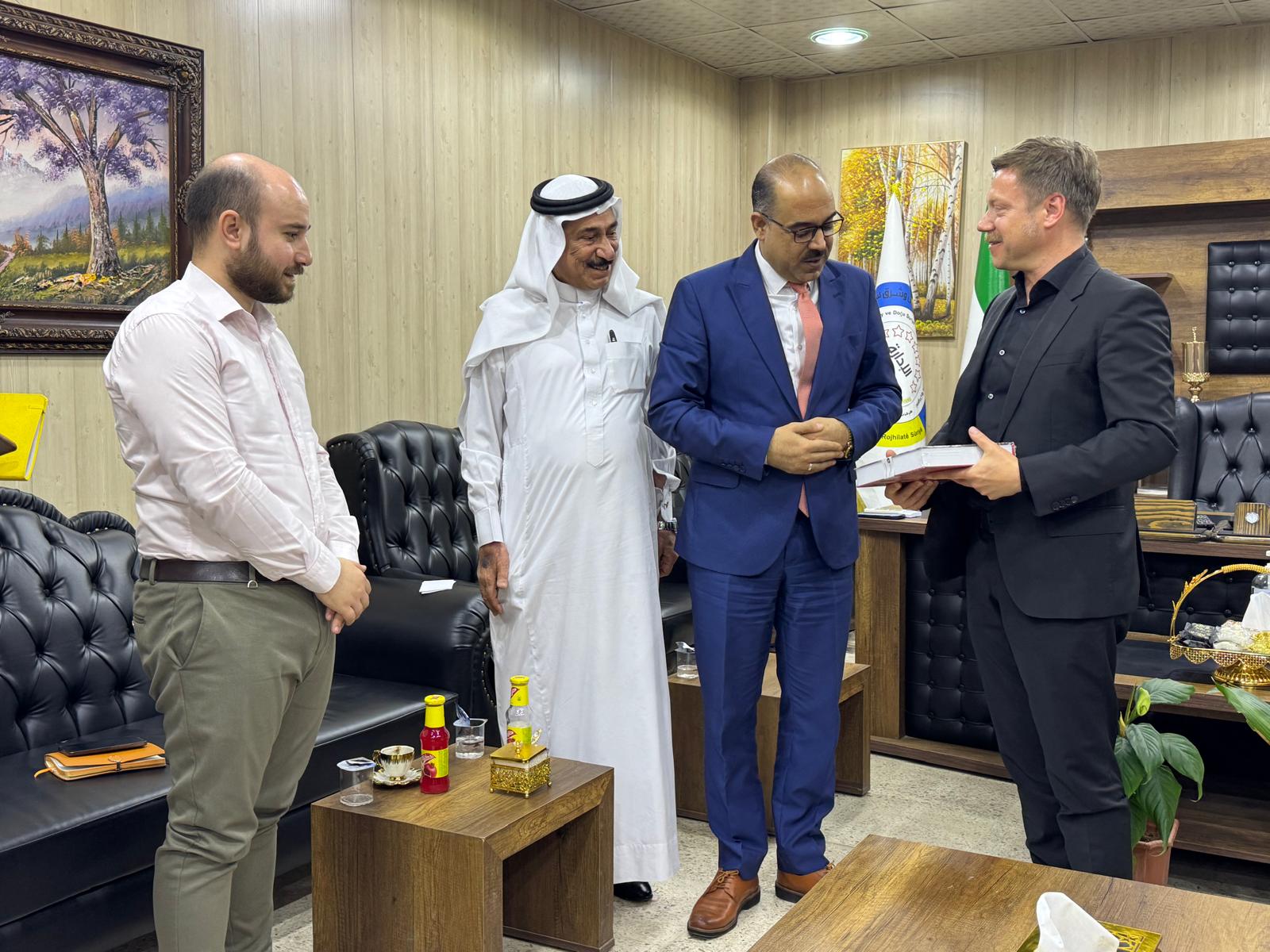
The day began with a meeting with Hussein Othman, Co-chair of the Autonomous Administration of North and East Syria (AANES), alongside vice-chairs Hamdan Abid and Gabriel Chamoun. The wide-ranging discussion addressed ongoing negotiations with Ahmed al-Sharaa and his appointment of alleged war criminals to key positions, the urgent need for an interim constitution, Turkey’s military interventions and ambitions, Europe’s relations with Turkey, decentralisation, the impact of Turkey’s internal peace process, and safeguarding the rights of Syria’s diverse population.
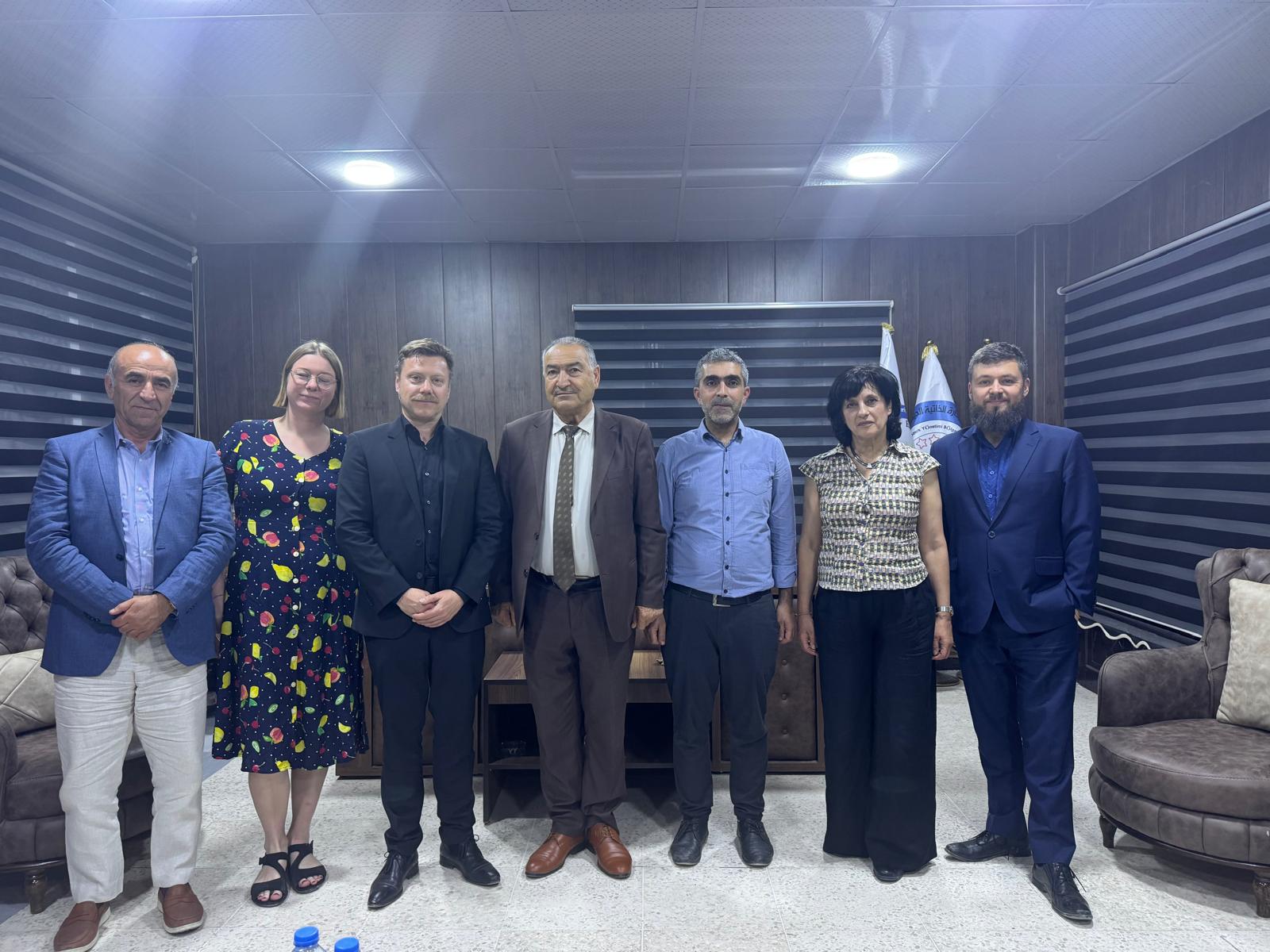
Schirdewan emphasised the importance of witnessing the situation firsthand to better inform the Left Group’s advocacy efforts. He noted that the group had recently succeeded in passing a European Parliament amendment calling for stronger support for the AANES.
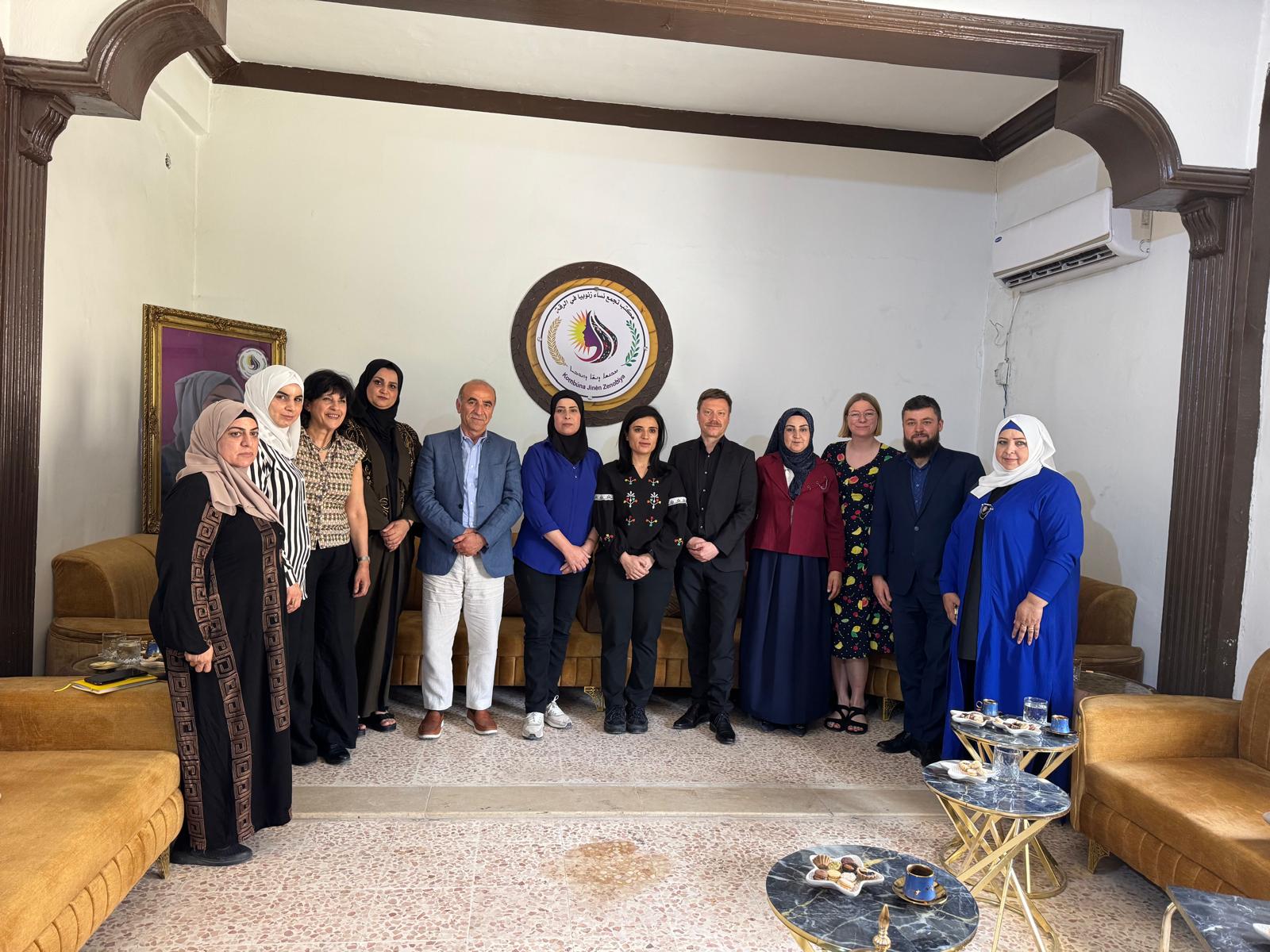
The delegation subsequently visited the Zenobia Women’s Association, where women from Raqqa and Deir ez-Zor described their efforts to empower women in a patriarchal society still reeling from three years under ISIS rule, and continuing threats from Turkey and ISIS sleeper cells. They underlined the importance of interethnic cooperation among women and highlighted the influence of Abdullah Öcalan’s philosophy, as well as the role of women’s houses and mediation in community reconciliation.
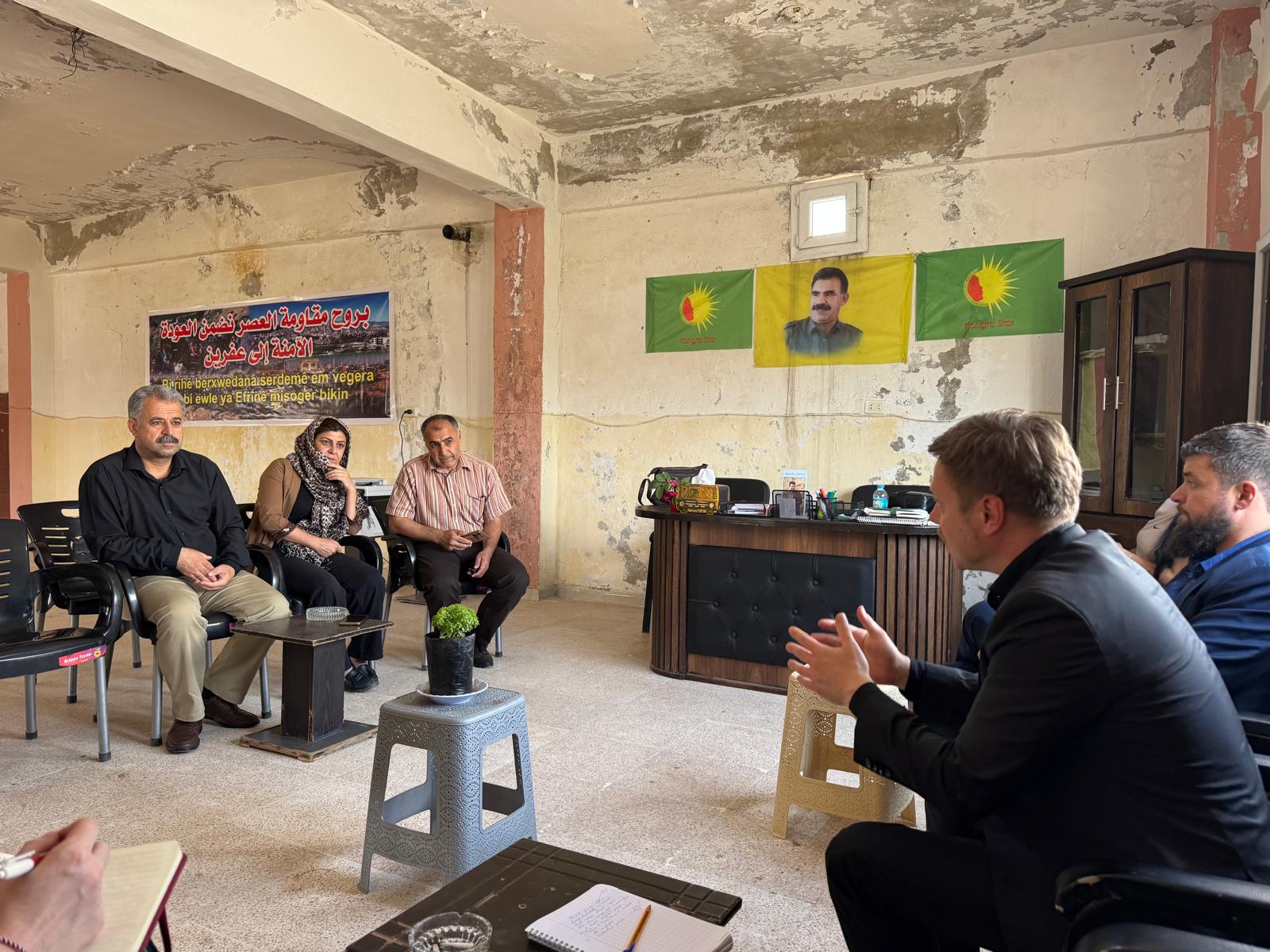
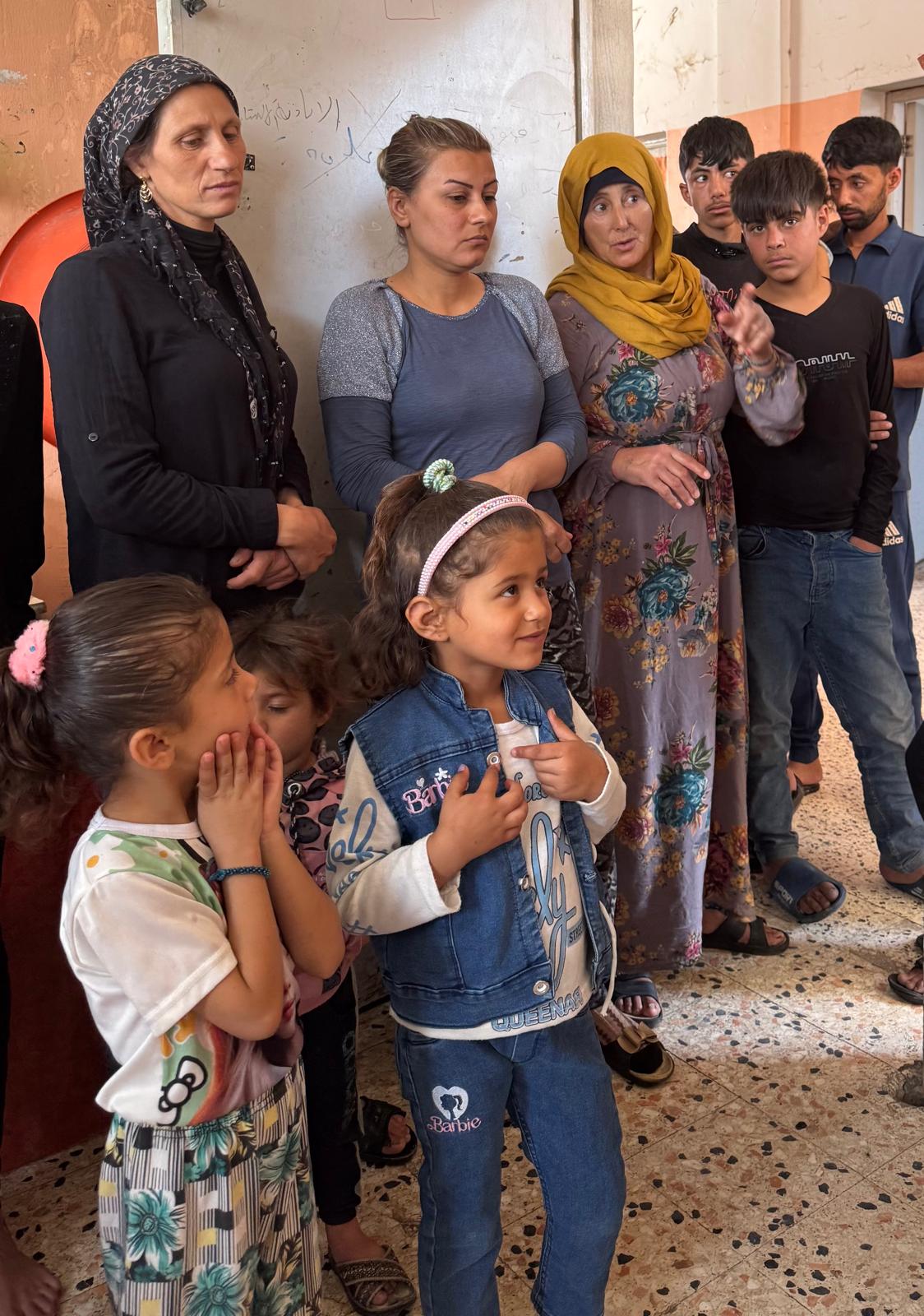
Next, the delegation met with the committee for displaced people from Afrîn and visited families currently living in 43 converted schools in Raqqa. These individuals have been displaced twice—first from Afrîn to Shehba, and then, in December 2023, to Raqqa and other areas in North and East Syria. They shared accounts of fleeing Turkish-backed militias, losing essential documents, suffering theft and violence, and being subjected to further attacks when attempting to return to Afrîn. They also described the suspension of US aid and the critical need for renewed international assistance and guarantees for safe return.
The harsh conditions observed—entire families living in single, bare classrooms—underscored the urgency for external humanitarian aid. Schirdewan described the visit as “emotionally very intense, as we were encountering a situation of obvious suffering.” He stressed the significance of the European Union’s sanctions against militia leaders controlling Afrîn. While acknowledging that the sanctions may have limited direct effect, he argued they serve to delegitimise these actors on the international stage.
The day concluded in Kobanê, a city symbolic of revolution and resistance. The delegation visited the Martyrs’ Cemetery and war ruins before holding discussions with Farhan Haj Issa, co-chair of Kobanê Canton, and his deputies. Conversations focused on the region’s enduring struggle in the context of a century of persecution and efforts toward international revolution. Despite the repeated destruction caused by Turkish aggression and the self-interest of external powers, the delegation ended the visit with cautious optimism—hoping that Abdullah Öcalan’s renewed call for peace, issued at this critical juncture, might finally take root and bear fruit.
The visit will conclude with high-level meetings with additional AANES figures in the coming days. The delegation aims to brief the European Parliament following their return.