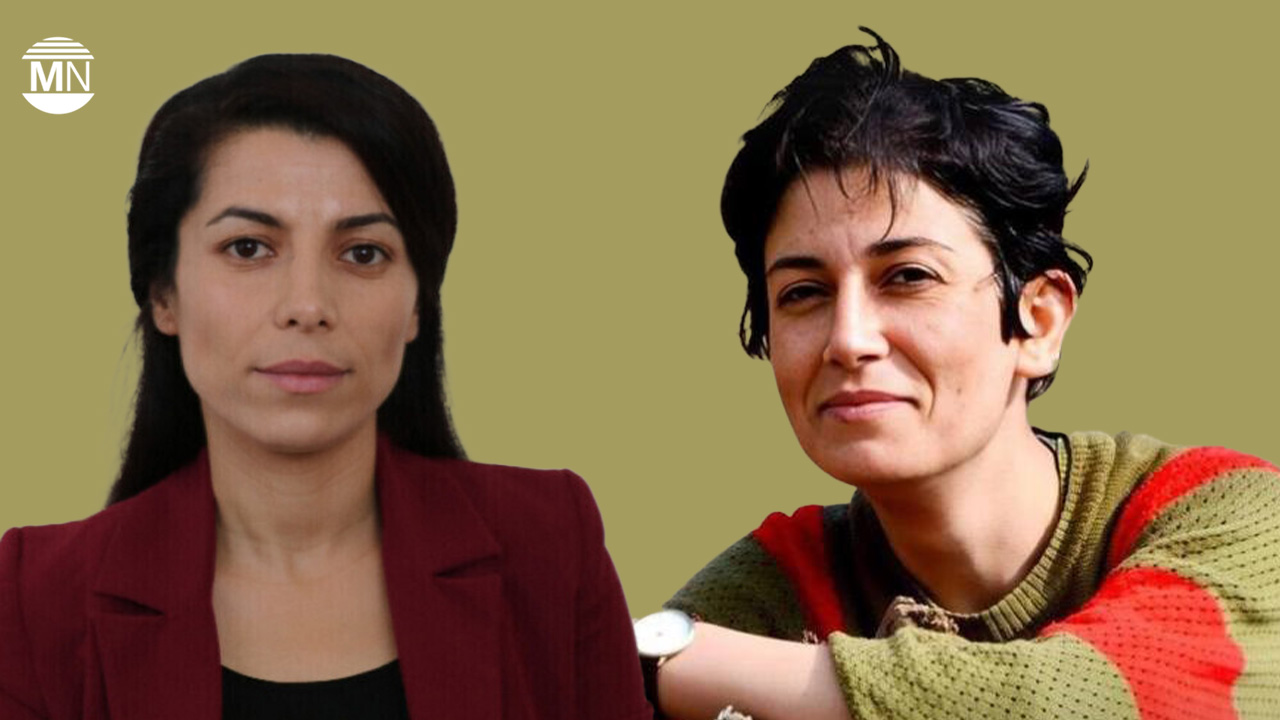
Following the release of a footage on the Islamic Revolutionary Guards Corp (IRGC)-affiliated Fars News website about Pakhshan Azizi and Warisheh Moradi, two Kurdish women political prisoners, concerns over their possible executions have intensified. In response, legal and political figures have raised alarms. Campaigners say that the video on Fars News was “crafted to prepare the public” for their executions. Experience shows that, prior to executing political prisoners, the Islamic Republic of Iran often airs footage of their forced confessions.
On 17 January 2025, Mai Sato, the UN Special Rapporteur on human rights in Iran, voiced concern on her X account:
“We are deeply alarmed by the [Iranian] Supreme Court’s confirmation of the death sentence for Kurdish activist Pakhshan Azizi . Reports indicate she has been tortured in solitary confinement, denied a fair trial, and has had no access to a lawyer. Her case underscores the broader persecution of minority women activists.”
On 14 January 2025, Sato reiterated her concerns:
“The death sentence of Azizi is a grave violation of international human rights law. It seems her arrest and conviction stem solely from her lawful work as a social worker, including her support for refugees in Iraq and Syria.”
On the evening of 16 January the “Campaign to Defend Warisheh Moradi,” a Kurdish political prisoner in Evin prison, issued a statement condemning the Iranian regime’s actions and warning of the potential executions of both Moradi and Azizi. Khalid Ali Panah, the campaign’s spokesperson, called the video aired by the IRGC-affiliated website “manipulative and false,” crafted to prepare the public for the executions of these two Kurdish activists.
In protest against the death sentences, The Tehran and Suburbs Bus Company Union, protesting Azizi’s death sentence, issued a statement condemning the regime’s broader practice of handing out death sentences to political prisoners. In its statement, the labour union noted:
“This sentence has been issued despite the complete disregard for legal objections and the evidence in the case,” and emphasised: “The activities of the respected broadcasters, aimed at providing relief and helping war refugees, especially women and children, have been unjustly characterised as crimes by the judicial system based on fabricated scenarios.”
They called for the immediate suspension of the death sentences for Pakhshan Azizi, Behrouz Ehsani, Mehdi Hossaeni, Warishah Moradi, Mujahid Kurkur, and others sentenced to be killed.
In parallel, on 15 January 2025, the Free Workers’ Union of Iran issued a statement condemning the sentences, and calling for the abolition of the death penalty in Iran.
On January 14, Anisha Asadollahi, a labour activist, teacher, and official translator for the workers’ union of the Tehran Bus Company, published an open letter from the women’s ward of Evin prison, protesting the death sentences, particularly that of Azizi. It read: “The news of the death sentence for Azizi has shocked and angered us, we stand in solidarity with Azizi and unequivocally oppose the issuance and execution of any death sentences in Iran. We call for the complete abolition of the death penalty in the country.”
Hora Nikbakht, a political prisoner and women’s rights activist in Evin prison, also published a letter advocating for Azizi’s. She warned against the execution of this sentence and wrote:
“Human rights activists must remain sincere in their words, actions, and behavior, doing everything in their power to save the lives of Pakhshan.”
Zahra Rahnavard, former professor of fine arts at Tehran University and wife of Iran’s Prime Minister Mir Hossein Mousavi, who remains under house arrest, issued a message requesting that the death sentence of Pakhshan Azizi be revoked. Rahnavard stated on the ‘Kalemah’ social media platform: “The authorities must revoke the death sentence of Azizi Pahsan and immediately release her.”
These warnings regarding the lives of Azizi and Moradi come as new reports published today, 17 January, indicate that nine political prisoners in the women’s ward of Evin prison, including Moradi and Azizi, have once again been denied the right to visit their families or make phone calls.”