

Thousands of displaced people from Afrin (Efrîn), a Kurdish-majority region in northern Syria, are preparing to return home following an agreement between the Syrian Democratic Forces (SDF) and the Damascus government on 10 March.
Afrin was captured by Turkish forces and allied Syrian armed groups in 2018. Since then, around 300,000 people have been displaced, with many living in areas such as Tel Rifaat (Til Rifat) and Aleppo (Heleb). The eight-point SDF-Damascus deal includes a provision ensuring the return of displaced Syrians to their home towns and villages under the protection of the Syrian state. This has raised hopes among the Kurdish and other displaced communities from Afrin, Ras al-Ayn (Serêkaniyê) and Tell Abyad (Girê Spî), many of whom have been waiting for legal and security assurances before returning.
Ilham Ahmed, Foreign Relations Co-Chair of the Autonomous Administration of North and East Syria (AANES), said negotiations on the return of Afrin’s displaced population are now in the final stages. Speaking to Voice of America (VOA), Ahmed noted that Arab settlers relocated to Afrin after Turkey’s 2018 invasion are leaving in significant numbers, which could facilitate the return of the region’s original residents under the right conditions. She stressed that the return process will require coordinated discussions with the Damascus government, coalition forces (referring to the International Coalition against ISIS), and the United States.
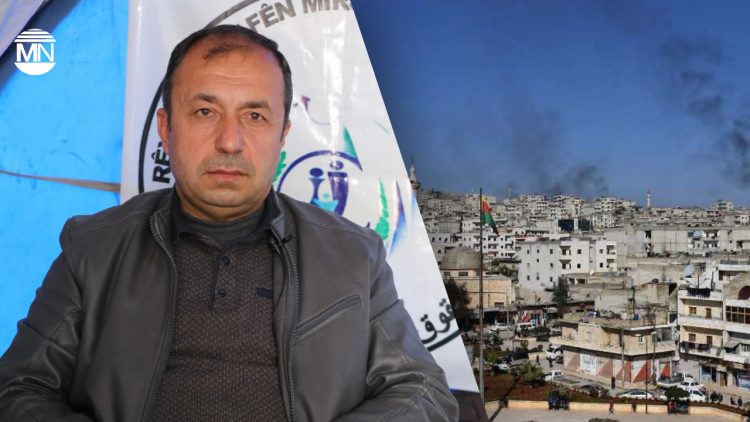
A committee is to be formed to oversee the return process. Afrin Human Rights Organisation co-spokesperson Ibrahim Shexo said returning residents expect concrete steps to be taken before they can go back, and that discussions have taken place between Turkish-backed paramilitary groups, forces linked to the Damascus government, and local actors. Two key issues were reportedly addressed: integrating some armed groups into the Syrian Army and withdrawing military factions from civilian areas. However, he noted that Turkish-backed forces remain active in Afrin, and it is unclear how the transition will be implemented.
Rights groups have also raised concerns about the condition of the homes residents will return to. Shexo said there had been looting, with some displaced residents finding their properties stripped bare. “People will return to homes where only the walls remain,” he said, adding that many of the refugees are still awaiting legal and international guarantees to ensure their safety.
While the agreement marks a significant step, the implementation of security measures and property rights protections remains a key concern for those hoping to return to Afrin and other affected areas.


