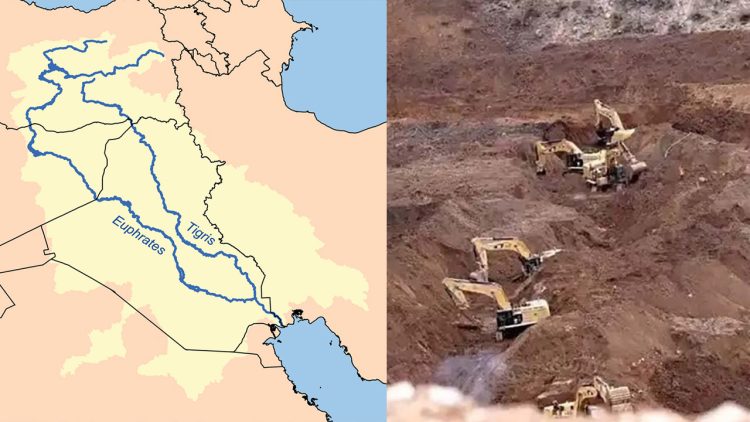
“This disaster was not an accident but a predictable tragedy,” said Dersim Gül on Sunday, an environmental engineer and former Secretary-General of the Union of Chambers of Turkish Engineers and Architects (TMMOB). Gül criticised the indictment filed for the Erzincan (Yerzınga) mine explosion, which claimed nine lives and poisoned the Euphrates Basin, for failing to hold political and bureaucratic actors accountable.
An indictment has been filed for the catastrophic mine explosion in Erzincan’s İliç district on 13 February 2024, which has been described as one of Turkey’s largest environmental disasters. The tragedy, linked to cyanide and other toxic materials used in gold mining, left irreparable damage to human and ecological health.
The indictment accuses 43 mid-level employees of Anagold Mining Company of negligence but has drawn criticism for excluding public officials who facilitated the mine’s operations through government approvals. “The Ministries of Environment and Energy bear direct responsibility for granting permissions that enabled this catastrophe,” Gül said. He emphasised the systemic failure in holding those in power accountable, adding, “Instead of prosecuting those who approved the Environmental Impact Report and capacity increases, they have shielded these officials. The indictment is a failure of justice and an insult to the victims.”
🔴 The documentary-style TV mini-series “Eko Eko Eko” is making waves for its eerie prophecy of Turkey’s most severe ecological disaster on 13 February.#EcologicalDisaster | #İliç | #Landslide | @Basaranaksu_
🌏 https://t.co/Y7ovyDHj3w pic.twitter.com/KVKHaCwGPA
— MedyaNews (@1MedyaNews) February 15, 2024
The explosion caused cyanide-laden waste to spill into the Euphrates Basin, contaminating underground water sources and threatening the surrounding ecosystem. Experts warn that chemical seepage will have long-term effects on human health and biodiversity, despite attempts to relocate the waste to an old marble quarry. “This poisoning will haunt the region for decades,” Gül stated. “The Euphrates Basin, a vital water source, is now a graveyard of environmental negligence.”
Environmental activists have condemned the government’s permissive policies on extractive industries, highlighting the İliç disaster as a stark example of Turkey’s ecocidal approach. Medya News has previously reported on similar incidents involving cyanide contamination, underlining a pattern of negligence and impunity.
Related Articles :
Turkish-Canadian gold mine’s cyanide leak into River Euphrates not the first time: Ecologist
Turkey’s recent gold mine disaster raises alarm: Cyanide pollution threatens Euphrates watershed
Nine miners trapped in landslide at Turkey’s largest cyanide-polluted gold mine
Anagold Mining Company, the operator of the mine, has faced backlash for offering compensation to victims’ families while allegedly attempting to influence the legal process. “This company has created an ecological and human catastrophe but enjoys political backing that shields it from real accountability,” Gül remarked.
The omissions in the indictment have raised questions about systemic failures in Turkey’s legal and political structures. Critics argue that by targeting lower-level employees and ignoring the role of public officials, the case undermines justice and perpetuates impunity. “This case is a litmus test for justice in Turkey,” Gül said. “If we fail here, we risk normalising the exploitation of both people and nature.”
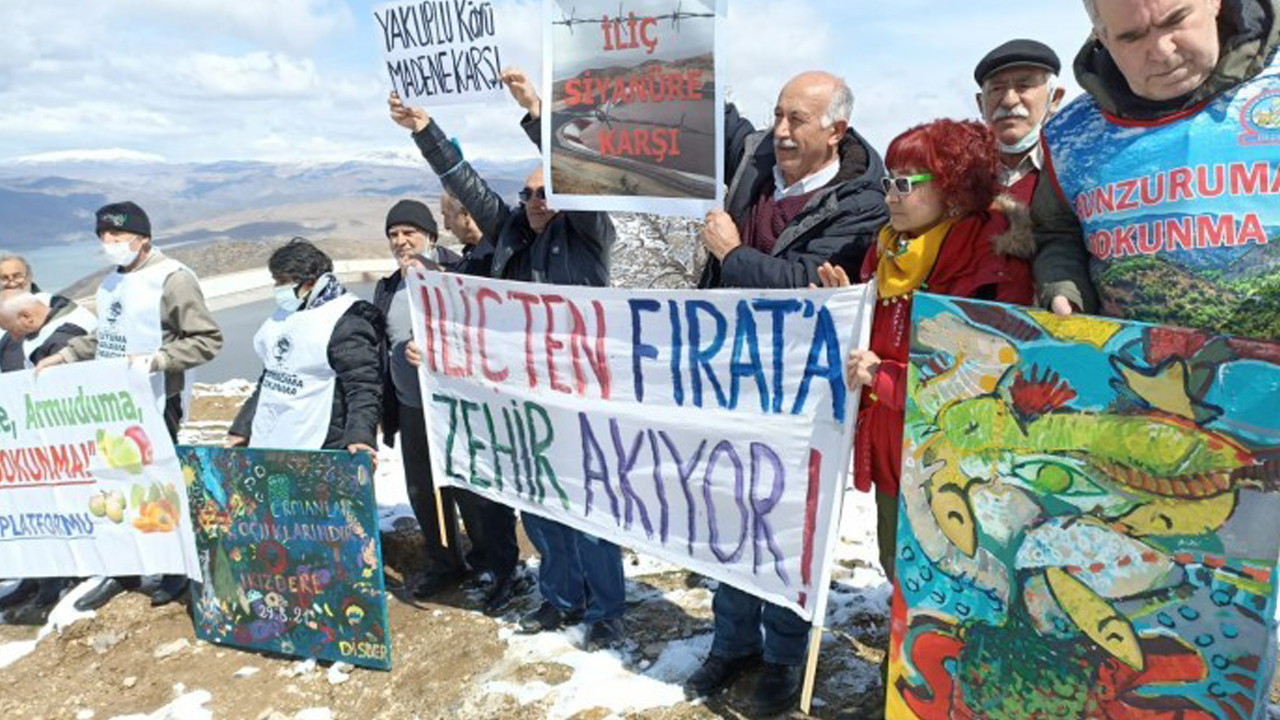
Protests in the region continue, with residents and environmental groups demanding accountability for those responsible for the disaster. Activists have held banners reading “Don’t touch the Euphrates water” and “Don’t poison our environment,” calling for an end to the government’s environmentally destructive policies.