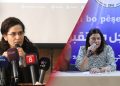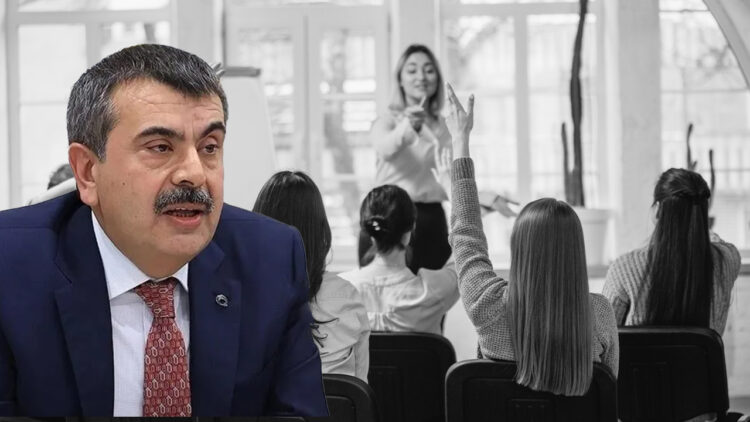
Despite widespread criticism from parents and educators, the controversial new education curriculum called “Turkey Century Education Model” was approved by the Education Minister Yusuf Tekin on 26 May. Gülsev Sarıoğlu, women’s secretary of the pro-liberties education union Eğitim-Sen, expressed concern that the curriculum would further entrench the sexist structure of the education system.
The curriculum, centred on ‘national and spiritual values’, sidelines secular, scientific, democratic and gender-equality education. Educators have called it a “threat to the future of society”.
Sarıoğlu highlighted significant changes brought about by the new curriculum, from teaching philosophy and method to assessment and textbooks. She emphasised that the criticisms are both technical and political: “The new curriculum is based on ‘religious’ and ‘national’ values in all subjects, marginalising differences and deepening gender discrimination along its ideological lines. It is clear that this curriculum, shaped by the conservative and regressive gender views of the political powers that be, will further fortify the sexist structure of the education system. The Ministry of Education, which legitimises traditional gender roles by citing Islamic rules, is using the curriculum to support capitalist economic policies of protecting and strengthening the ‘family’, denying women’s diverse identities and imposing the ideal of ‘acceptable womanhood’ by limiting the primary role of women to motherhood and their living space to the domestic sphere.”
During his more than two decades in power, reshaping the youth with conservative beliefs has been a major concern for President Recep Tayyip Erdoğan and his party, the ruling Justice and Development Party (AKP). His main tool has been the country’s education system. He has dramatically increased the number of imam-hatip schools – Islamic secondary schools, originally set up by the state as vocational institutions to train young men to become imams and preachers, and he has extended this system to lower age groups. In ordinary state schools, he has increased the number of hours devoted to religious education.
In 2012, Erdoğan launched a project to raise ‘pious generations’ of children, using the country’s education system as a key tool. This initiative is in line with his vision of a ‘national and native’ Turkey, rooted in an Ottoman past and characterised by increasingly anti-Kurdish sentiments.
These moves to promote traditional moral values, increase Islamic education and open prayer rooms in schools have fuelled concerns among secularists and highlighted divisions over the role of religion in education.
The new curriculum reinforces policies against gender equality, further undermining democratic and scientific education.
The new curriculum has been strongly criticised by various groups. The Democratic Alevi Associations have condemned its ideological content for moulding society and undermining secular and scientific education. The pro-Kurdish People’s Equality and Democracy Party (DEM) have criticised it for prescribing a uniform curriculum for all levels of education, excluding the possibility of a more inclusive system. Parents have also protested, fearing religious indoctrination in Turkey’s new curriculum.