

Allegations of electoral fraud continue to intensify as voting draws near for the sixth parliament of the Kurdistan Region of Iraq (KRI), with polls due to open on 20 October.
Kurdistan Democratic Party (KDP), the dominant party in Erbil (Hewlêr), stands accused of orchestrating election manipulation in the Bahdinan (Badinan) region, close to the Turkish border. Reports indicate that with Turkish support, the KDP has facilitated the transfer of 1,500 residents from southeast Turkey’s province of Hakkari (Colemêrg) to Iraqi Kurdistan (Başûr), to influence the voter base.
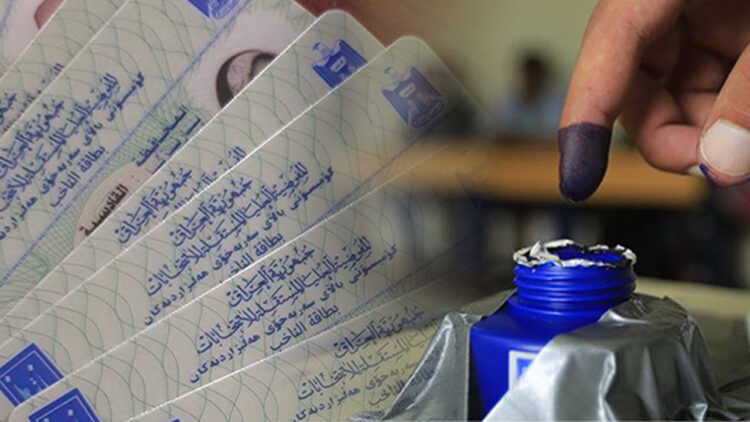
An anonymous source cited by Roj News has disclosed that biometric voting cards have been issued to these KDP-aligned individuals for use in Duhok (Dihok). The source, one of the recipients, said that the group were members of the Duski and Gardi clans in Hakkari’s Yüksekova (Gever) and Şemdinli (Şemzînan) districts.
The source further revealed that many of the tribespeople have received substantial payments from the KDP in exchange for their votes. Additionally, a significant portion were trained as village guards against the Kurdistan Workers’ Party (PKK) in Turkey during the 1990s.
Further transfers of people are anticipated over the coming days, prompting urgent warnings from regional Kurdish parties of potential KDP election fraud.
The chairman of the Iraqi Independent High Election Commission (IHEC) Judge Omar Ahmad announced on 3 October that the risk of fraud was minimal, but Bafel and Qubad Talabani, leaders of the rival Patriotic Union of Kurdistan (PUK), along with other Kurdish opposition figures, have expressed concerns.
Meanwhile, under pressure from various parties, former MP Ahmad Haj Rashid stressed the need for the IHEC to address the situation.


