

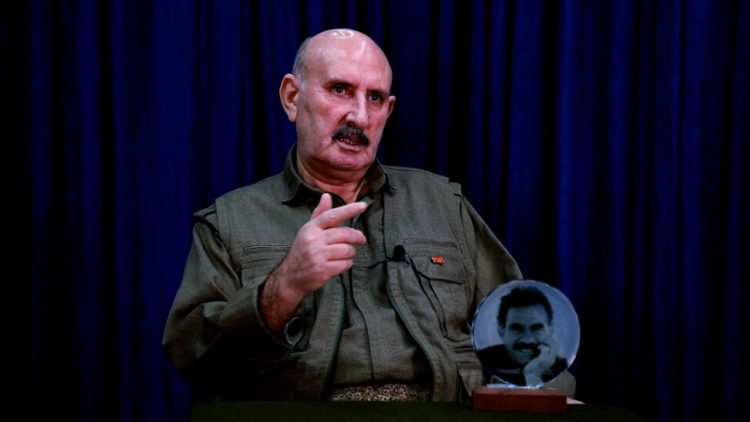
Sabri Ok, a senior member of the Kurdistan Communities Union (KCK), has criticised the Turkish government for failing to respond to Abdullah Öcalan’s peace call of 27 February. Speaking on Stêrk TV on Saturday, Ok noted that despite the Kurdistan Workers’ Party (PKK) having declared a unilateral ceasefire on 1 March, Ankara has neither acknowledged the initiative nor taken any concrete steps towards negotiations.
Ok criticised the Turkish state for acting as if Öcalan’s call and the PKK’s actions were irrelevant, saying, “The state has neither made any positive statements nor taken any practical steps.” He noted the state’s demand for the PKK to hold a congress and disarm, but said, “Without Öcalan’s freedom, who can convene the congress or order the fighters to lay down arms?”, highlighting his belief that Öcalan’s freedom is essential for progress.
He also pointed to unfulfilled promises, such as legal changes and parliamentary commissions, which the Imrali delegation had discussed with various parties, but which have not been implemented a month after Öcalan’s manifesto. Ok stressed the need for the state to create “a reasonable ground” for dialogue, but said that their inaction suggests a lack of intent.
The Kurdish peace process, often referred to as having started in October, involves efforts to end the decades-long conflict between the Turkish state and Kurdish groups, particularly the PKK. Öcalan’s call for peace in February 2025 was seen as a significant step, with the PKK’s ceasefire adding momentum. However, Ok says that the process has now stalled, with the Turkish state not reciprocating, focusing instead on demanding disarmament without addressing core issues like Öcalan’s isolation on Imrali island since 1999.
Ok also mentioned growing international support, with the UN, EU, US and various civil groups viewing Öcalan’s plan positively. This international backing, he argued, should push for better organisation and utilisation of opportunities to secure Öcalan’s freedom, a key demand for Kurds.
Ok highlighted domestic developments, noting the arrest of Mayor of Istanbul Ekrem İmamoğlu and the appointment of trustees in place of elected mayors to several smaller municipalities, seen as repression of democratic politics. He criticised the Republican People’s Party (CHP) for being silent on Kurdish issues in the past and responding only now they have come under pressure themselves. “Their stance is important, but its impact depends on how persistent they are.”
He also pointed to societal frustration, with approximately 400 academics and thinkers taking a stance against Turkish President Recep Tayyip Erdoğan, and student protests across Turkey from the Kurdish regions to the big cities, led by women and youth because of the oppression of the people. Ok described this as a critical point in time, suggesting that if democratic forces were to unite, they could demand “Turkey’s democratisation, Kurdish rights and Öcalan’s freedom”, potentially rewriting history.


