

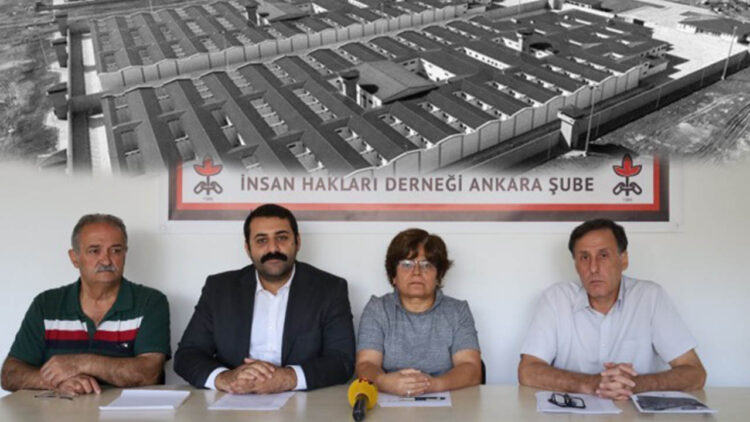
A report by the Human Rights Association (İHD) has exposed widespread rights violations in Kavak S-Type and Bafra T-Type Closed Prisons, in Turkey’s Samsun, highlighting abuse, mistreatment and denied medical care for detainees. The report, presented on Friday, details allegations of forced searches, verbal abuse and obstruction of prisoner releases.
İHD Executive Board Member Nuray Çevirmen revealed that six inmates at Bafra Prison have had their releases blocked by the Prison Administration and Observation Boards. “Prisoners were summoned for interviews but never appeared before any board, and all decisions to extend sentences were identical,” she said.
Çevirmen outlined other abuses, including the imposition of invasive oral searches that have prevented prisoners from accessing hospital care for three years, inadequate opportunities for social activities, and harsh conditions. Inmates have also faced restricted access to medical services, with some only allowed to visit the infirmary once a month.
The report also highlights that access to certain newspapers and TV channels, such as Yeni Yaşam and Halk TV, is banned, while prisoners are charged excessively high fees for postage. Requests for transfers to facilities closer to families are routinely denied, and cells are positioned to prevent communication between inmates.
In Samsun’s Kavak Prison, detainees face further mistreatment, including forced marches, prolonged solitary confinement, and invasive surveillance. Prisoners reported being commanded to perform humiliating acts, such as opening their mouths or removing shoelaces during hospital transfers. Medical neglect has been severe, with one heart patient forced to endure delays in treatment and facing additional punitive measures for non-compliance with invasive orders.
İHD Ankara Co-chair Ömer Faruk Yazmacı condemned the treatment as a violation of both national and international agreements, noting that prisoners are subjected to degrading searches, verbal abuse and denial of rights, including healthcare and communication. “These practices amount to torture and should be stopped immediately,” he said, urging for investigations and sanctions against those responsible.
Yazmacı called for several reforms to address these abuses, including faster medical transfers, adequate nutrition, the removal of unnecessary restrictions on publications and increased oversight by independent bodies. He stressed the need for legal changes to ensure human rights organisations have access to prisons for inspections.


