

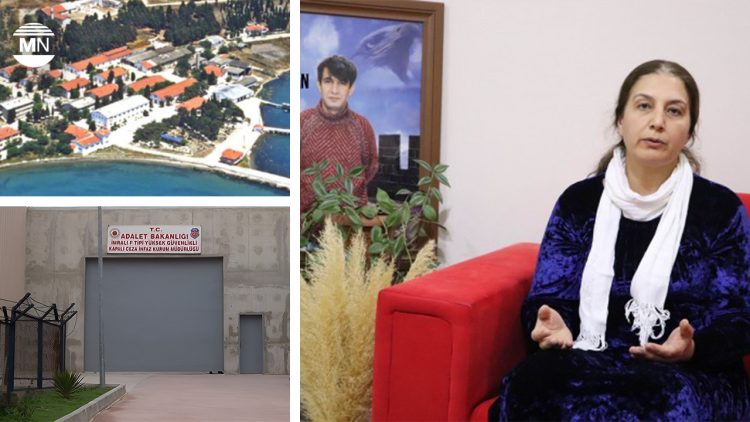
A recent visit to Imrali Prison during Ramadan has once again highlighted the continued isolation of imprisoned Kurdish leader Abdullah Öcalan and the other prisoners, including Veysi Aktaş, Ömer Hayri Konar and Hamili Yıldırım. The visit highlights the harsh and shared conditions of detention in the prison, which include long periods of solitary confinement, limited family visits and restrictions on communication. These harsh conditions are not limited to Öcalan, but affect all prisoners held in Imrali Prison.
On 31 March, Sabiha Aslan, Veysi Aktaş’s sister, was given a rare opportunity to visit her brother after six years, with the visit taking place just before the Ramadan holiday. The meeting, which lasted around 50-55 minutes, allowed the family to reunite briefly. Despite the emotional significance of the visit, it also highlighted the continued isolation of the prisoners. Family visits, which are rare, provide little relief from the long periods of separation that these prisoners endure.
Sabiha Aslan described the emotional impact of the visit, saying she couldn’t sleep for days in anticipation. When she met her brother, she rushed to hug him, gave him a yellow flower she had picked outside the prison and placed it on the table. When her brother asked where she had got it, she replied that she had picked it on the outskirts of the island and brought it in. This simple exchange underlined the bond they still share despite the oppressive conditions.
Although Aslan noted some improvements in conditions since her previous meetings, the underlying problem of incommunicado detention remains unchanged. Prisoners continue to face restrictions on phone calls and legal visits, and isolation continues to take a toll on their physical and mental well-being. Human rights organisations have long condemned the practice of incommunicado detention in Imrali and have highlighted the need for intervention to ensure that the basic rights of these prisoners are upheld.
This rare visit during Ramadan sheds light on the continuing plight of Öcalan and the other prisoners at Imrali, whose isolation is a violation of their fundamental rights. The situation demands greater attention from international bodies to ensure that the prisoners receive proper legal representation, retain their right to family contact and are not subjected to prolonged solitary confinement.


