

A leading Kurdish lawyer has warned that Turkey’s continued use of life-without-parole sentences poses a serious threat to both human rights and hopes for a renewed peace process. His comments come as the country faces a European deadline to reform its penal code in line with international rulings.
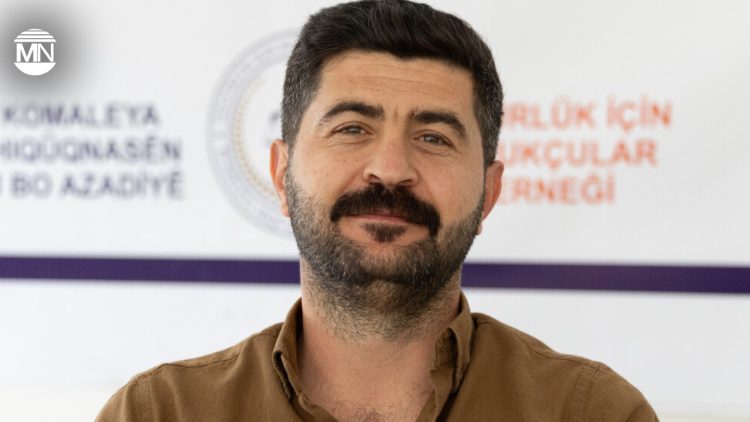
Speaking to ANF on Saturday, lawyer Muhittin Muğuç of the Association of Lawyers for Freedom (ÖHD) in Diyarbakır (Amed) said the “right to hope” must be legally recognised if Turkey is serious about democratic change. He cited the case of Abdullah Öcalan, the imprisoned leader of the now-disbanded Kurdistan Workers’ Party (PKK), whose 1999 death sentence was commuted to life imprisonment without parole as part of Turkey’s European Union harmonisation process.
“This is not just about an individual,” said Muğuç. “It is a structural issue that reflects how Turkey views law, justice and human rights. Every day spent in prison without hope of release violates human dignity.”
The “right to hope” is based on rulings by the European Court of Human Rights (ECtHR), which found that life sentences without the possibility of parole violate Article 3 of the European Convention. The Court has stated that even those convicted of the most serious crimes should have the opportunity to demonstrate rehabilitation and apply for release.
Muğuç said that the Council of Europe (CoE) has given Turkey until September 2025 to revise its legislation accordingly, citing the Court’s rulings. If the deadline is not met, he warned, Turkey risks damaging its relationship with European institutions, including its standing within the CoE. “This is not just a personal right, but a matter that could affect Turkey’s international legal status,” he said.
Although Öcalan’s case is often treated as exceptional due to his political role, Muğuç stressed that hundreds of prisoners in Turkey face the same conditions. Many were convicted under Turkey’s broad anti-terror legislation, which has long been criticised for targeting Kurdish political activity and dissent. These inmates have no realistic prospect of parole, creating what rights groups call a system of “perpetual punishment”.
Muğuç also drew attention to the broader constitutional issues faced by Kurds in Turkey. He described the current legal framework as one that denies Kurdish identity and expression, arguing that democratic progress requires both political and legal recognition of Kurdish rights. “The Kurdish people do not see themselves in this constitution,” he said.
The lawyer concluded that the “right to hope” serves as a litmus test for Turkey’s sincerity in seeking peace. “If this right is not implemented, democratic politics cannot develop, nor can societal peace be achieved,” he said. “This is not merely a legal reform. It is a moral and humanitarian necessity that affects the conscience of the entire society.”


