

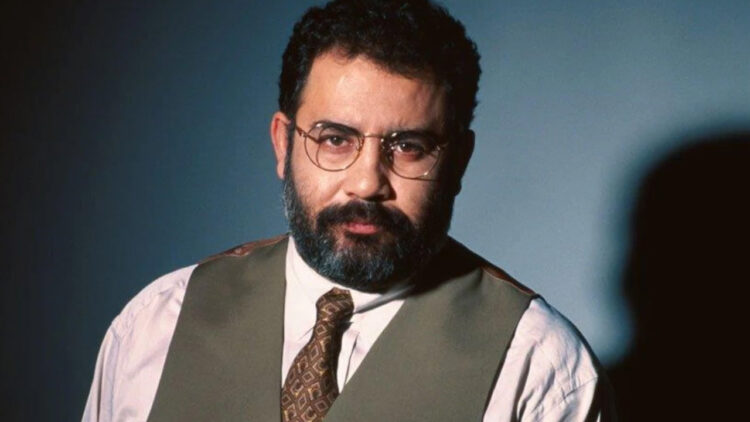
On the 24th anniversary of his passing, Ahmet Kaya, a Kurdish singer once celebrated by Turkey’s diverse audiences, is being remembered for his unwavering loyalty to his Kurdish identity in the face of oppression and dismissal. Kaya, who enjoyed immense popularity among Turkish audiences, faced persecution for his determination to sing in his native Kurdish and stand up for the rights of his people.
Ahmet Kaya’s career took a dramatic turn in 1999 when, during a televised music awards ceremony, he announced plans to produce a song in his native Kurdish. The declaration, which included the revelation that he had recorded a Kurdish song called ‘Karwan’, caused an immediate uproar. Many Turkish celebrities present responded with nationalist chants and personal attacks. Some even threw cutlery at him, creating what his wife later described as a ‘Kafkaesque transformation’ of the atmosphere.
The hostile backlash escalated into a wider campaign of legal and social persecution. Accused of spreading separatist propaganda, Kaya faced mounting legal charges that eventually forced him into exile in France, where he continued his artistic and political activism as a voice for Kurdish identity and justice.
In December 1999, during one of his last concerts in Munich, he performed at the Peace, Democracy and Freedom Festival. There he sang:
“Kurds we are, till the grave,
Kurds we are, steadfast and brave,
How deeply we long for Apo.”
The audience responded with joyous enthusiasm when Kaya used the affectionate name “Apo” (meaning uncle) to refer to Kurdish leader Abdullah Öcalan, deeply moved by his words and courage.
The second verse reflected Kaya’s wider vision for peace:
“Kurds we are, to the grave,
Kurds we are, steadfast and brave,
How deeply we long for peace.”
In his remarks at the concert, Kaya reaffirmed his commitment to coexistence, declaring: “We are not here to divide, but to unite. To build a democratic republic and a better future.”
One of Kaya’s most iconic works, Diyarbakır Song, released in 1995, remains a powerful representation of the plight of the Kurdish city of Diyarbakır (Amed) during a period of intense state violence. The lyrics – “I lay shot down in the middle of Diyarbakir, the sound of the same bullet is known to me everywhere” – evoke the collective pain and resistance of the Kurdish people, making it a poignant anthem of the struggle.
Ayşegül Doğan of the Peoples’ Equality and Democracy (DEM) Party commemorated Kaya’s legacy with a visit to his wife, Gülten Kaya, and shared a video tribute. Doğan tweeted: “We are in the 24th year of your absence, but we have never been alone: on the streets, in the field, in exile… crowded or alone, inside or outside, #AhmetKaya is always with us! With longing, with love.”
“Yokluğunun” 24.yılındayız ama hiç yalnız kalmadık: Alanda, sokakta, sürgünde… Kalabalıkta veya tek başına, içeride ya da dışarıda #AhmetKaya hep bizimle!
Özlemle, sevgiyle. pic.twitter.com/PPMGqCceSR— ayşegül doğan (@aysegul__dogan) November 15, 2024
Ahmet Kaya’s life is a testament to the cost of remaining true to one’s identity in the face of systemic oppression. From his early days as a beloved performer in Turkey to his later years as a symbol of Kurdish resistance, his songs continue to inspire, ensuring that his legacy will endure for generations to come.


