

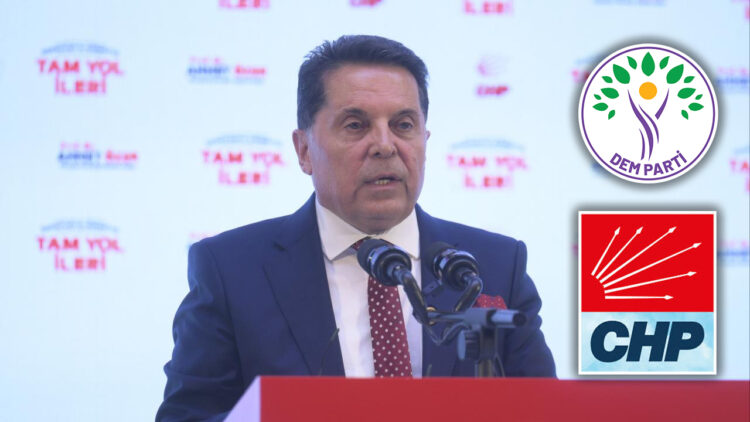
Ahmet Özer, the mayor of İstanbul’s Esenyurt district and a prominent figure within Turkey’s main opposition, the Republican People’s Party (CHP), was detained at his home early on Wednesday. Turkish authorities alleged Özer had ties with the Kurdistan Workers’ Party (PKK), a Kurdish militant group, pointing to past communications with high-ranking PKK figures. This arrest has triggered intense criticism from opposition leaders who argue the detention was politically motivated and specifically targeted Özer’s Kurdish identity.
The İstanbul Chief Public Prosecutor’s Office said the detention is part of an ongoing investigation into suspected PKK/KCK activity. It alleged Özer communicated multiple times with PKK figures and participated in what authorities claimed were organised actions with the PKK leadership based in Iraq’s Qandil (Qendîl) region. The prosecutor’s statement mentioned “organisational documents” obtained from Özer that reportedly pertain to plans involving “democratic autonomy”, an initiative connected to PKK leader Abdullah Öcalan.
CHP Chairperson Özgür Özel expressed shock, describing the early-morning raid as a “baseless and politically motivated move” against a democratically elected official. “Prof. Dr. Ahmet Özer is a respected academic and public servant, who received official clearance just six months ago before running for office,” Özel said on social media. “This recent act is not an isolated incident, and we see it as part of a broader campaign of political targeting.”
Ekrem İmamoğlu, İstanbul’s mayor, also condemned the incident, stating, “Turkey should not be a country where dawn raids on scientists and political leaders are routine.” He underscored Özer’s distinguished career in academia and government service and urged that Turkey break away from policies that promote the targeting of public figures.
Gökan Zeybek, CHP deputy chair, linked Özer’s Kurdish heritage to his detention, suggesting that the government has long shown discomfort with Özer’s identity and his work in Esenyurt, İstanbul’s most densely populated district. “Özer’s Kurdish background should not be a point of contention in a democratic nation,” Zeybek said in an interview. He added, “This arrest is a clear sign that the government remains uncomfortable with Esenyurt being led by a Kurdish official. Such actions erode the confidence of our communities in the state’s commitment to diversity.”
Turkey’s pro-Kurdish Peoples’ Equality and Democracy (DEM) Party added its voice, connecting Zeybek’s remarks with accusations that the Turkish government’s motives were based on Özer’s ethnic identity. DEM spokesperson Ayşegül Doğan said, “There are forces disturbed by Özer’s Kurdish identity and the inclusive policies he promotes for Esenyurt. This is not a coincidence, and the message is evident: Kurdish politicians are targeted when they empower their communities.”
Recalling that Özer was elected under DEM Party’s ‘Urban Consensus’ formula, Doğan stated they did not view Özer’s detention as coincidental.
Further opposition voices, including CHP Vice Chair Ali Mahir Başarır, categorised Özer’s detention as part of a “political crackdown” on dissent, questioning its legitimacy. “This so-called operation is a political tool. Professor Özer is an academic, cleared to run only months ago. Detaining him based on outdated claims disregards legal principles and raises serious questions about freedom in our political landscape,” Başarır said.
CHP’s İstanbul MP Özgür Karabat echoed this sentiment, labelling the arrest as “a national disgrace”, while CHP MP Sezgin Tanrıkulu criticised the government for persisting in “tested methods that undermine societal peace”. Tanrıkulu pointed to recent developments, such as the heavy sentences for those affiliated with DİAYDER, a pro-Kurdish religious group, as signals of increased state pressure on Kurdish individuals and organisations.
The conservative Democrat Party’s Cemal Enginyurt also weighed in, highlighting his criticism of CHP’s outreach efforts with the government. Enginyurt referenced Özer’s arrest to stress his ongoing opposition to reconciliation, stating, “This is why we say no to negotiations. Erdoğan has not changed, and he never will.”
Özer’s arrest comes amid Turkey’s wider crackdown on Kurdish political figures and organisations. Critics claim that such actions aim to consolidate political power and stifle pro-Kurdish voices in municipalities, a practice that has gained traction since 2019, with elected Kurdish mayors in the country’s Kurdish majority-southeast frequently replaced by state-appointed trustees.


