

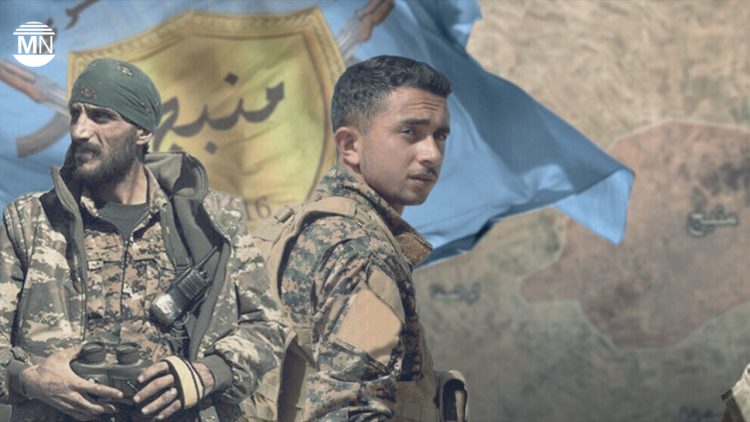
“Just as you cannot expect democracy from the Islamic State (ISIS), to expect democracy from the new Damascus government is an empty hope,” writes Kurdish political analyst Rauf Karakoçan in his latest analysis published by Fırat News (ANF) on Monday. This stark assessment captures the essence of Syria’s current predicament, one month after the fall of the Assad regime and Hay’at Tahrir al-Sham’s (HTS) rise to power. As celebrations of Assad’s downfall resonate globally, Turkey and its allied Islamist forces, the Syrian National Army (SNA), have intensified their attacks on the Autonomous Administration of North and East Syria (AANES), while HTS is accused of committing atrocities against women and minorities.
Karakoçan’s analysis, titled New developments lie ahead for Syria, examines the roles of regional and international actors in shaping the country’s future. He asserts that Assad’s regime had long been on the brink of collapse, sustained only through Iranian and Russian support. Sarah Glynn, a Medya News contributor, echoed this view, noting that Assad was targeted for his alliances with Iran and Russia, which threatened United States and Israeli interests.
Turkey’s actions, Karakoçan argues, reflect its primary objective: the destruction of the AANES, also known as Rojava, and the disarmament of the People’s Protection Units (YPG) and Women’s Protection Units (YPJ). “In a time where people are being killed and tortured daily in Syria and Rojava is under threat, disarming these units amounts to liquidation,” he states. As the inauguration of the new US administration and President-elect Donald Trump approaches, Turkey has escalated attacks on critical infrastructure in North and East Syria, targeting sites such as the Tishreen (Tişrîn) Dam and Qara Quzak (Qara Qozaq) Bridge.
Related Story
Turkish strikes escalate over strategic northern Syria sites
Karakoçan highlights the dilemma faced by international powers, which include the United States, European Union, United Kingdom, Israel, Saudi Arabia, and Egypt. While these actors favour the Kurds over Turkey, it remains unclear whether they will continue to support the AANES or attempt a compromise between the Kurds and the radical religious forces led by HTS.
The analyst draws attention to the violent realities of HTS rule, citing massacres against minorities and the increasing repression of dissent. “Just as you cannot expect democracy from the Islamic State, to expect it from the new Damascus government is an empty hope,” Karakoçan emphasises, warning against underestimating HTS’s ideological alignment with groups like ISIS.
The influence of Turkey’s internal politics on Syria’s future is also examined. Karakoçan points to recent meetings with imprisoned Kurdish leader Abdullah Öcalan, suggesting that these discussions could shape a resolution for Syria. He argues that any sustainable solution must prioritise the interests of the region’s peoples, yet Turkey’s pursuit of Kurdish disarmament and its efforts to impose its agenda remain major obstacles.
Meanwhile, Turkey’s approach to HTS raises further concerns. Despite presenting HTS as a viable governing force, the group’s ties to Turkey appear precarious. “It’s evident that Turkey wants Syria under its control, potentially as a haven for jihadist Salafist groups,” Karakoçan explains, likening the situation to earlier failed attempts to establish Muslim Brotherhood-led regimes in the region.
The international response to HTS’s rise and Turkey’s actions remains uncertain. Karakoçan questions whether foreign powers will tolerate Turkey’s ambitions or choose between supporting the Kurds or enabling HTS’s consolidation of power. He stresses that the outcome could reshape Syria’s trajectory for decades to come.
As Turkey continues its military operations in northern Syria, Karakoçan warns of further destabilisation. Strategic sites such as the Tishreen Dam remain key targets, symbolising Turkey’s broader plan to dismantle Kurdish autonomy in the country. While HTS governs with increasing brutality, the international community’s indecision adds to the uncertainty, leaving Syria’s future hanging in the balance.
Amid this turbulent landscape, Karakoçan calls for a solution rooted in the region’s needs rather than external interests. “The imposition of foreign agendas only perpetuates the cycle of violence,” he concludes, urging stakeholders to prioritise peace and stability. Syria, he warns, stands at a critical crossroads, and the path forward will determine the fate of millions.


