

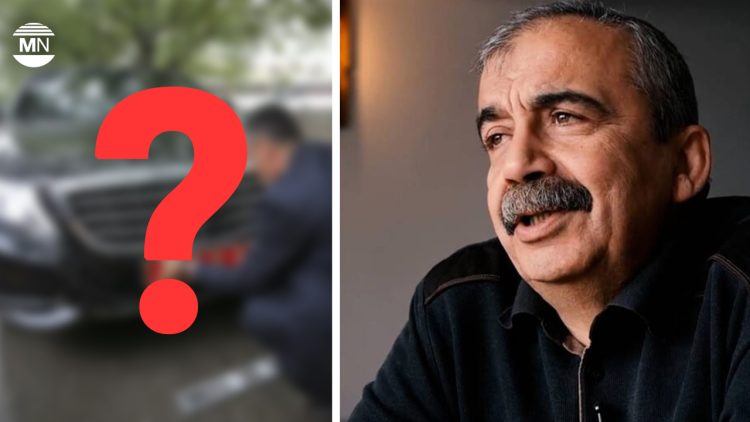
The pro-Kurdish Peoples’ Equality and Democracy (DEM) Party have issued a statement addressing growing speculation that Sırrı Süreyya Önder’s death was not due to natural causes but may have been the result of foul play. According to the party, on 2 April a sharp iron object capable of puncturing the left rear tyre was discovered on Önder’s car, raising concerns about a possible planned attack just weeks before his sudden cardiac arrest on 15 April.
Basına ve Kamuoyuna
Basın Büromuzun bazı basın-yayın organlarında İmralı Heyeti Üyesi ve Meclis Başkanvekilimiz merhum Sırrı Süreyya Önder’e suikast düzenlendiğine dair haberlere ilişkin açıklaması:https://t.co/9ysORwTLRG
— DEM Parti (@DEMGenelMerkezi) May 8, 2025
The incident has attracted increasing media attention, particularly after Doğu Perinçek, leader of the Patriotic Party (Vatan Partisi), said he had warned Önder of a possible assassination attempt one day before the politician collapsed.
According to the DEM Party, a parking attendant driving Önder’s car noticed unusual sounds and took the vehicle to a garage, where mechanics discovered the device. Önder reported the incident to his party, which subsequently forwarded the matter and evidence to the authorities. As of now, no formal investigation results have been released.
Veteran human rights defender Eren Keskin commented that, in light of this information, Önder’s death must now be considered a “suspicious death” under Turkish law, calling for all legal procedures to be followed and the investigation expanded.
Journalist Rasim Ozan Kütahyalı echoed the concerns, stating that the device indicated someone may have targeted Önder and that his sudden heart attack at a politically sensitive moment warrants detailed scrutiny. Kütahyalı argued that Önder’s death had dealt a severe blow to the ongoing peace process aiming for a Turkey without terrorism.
Journalist and author Selahattin Soro, speaking on Medya Haber TV, recalled similar incidents that derailed previous peace efforts in Turkey, referencing the controversial deaths of President Turgut Özal and General Eşref Bitlis in 1993 — both widely believed to have been orchestrated by forces opposed to a democratic solution to the Kurdish issue.
Republican People’s Party (CHP) deputy Murat Emir added that Önder had personally shown him photos of the device but had decided not to lodge a formal complaint at the time, wishing to avoid harming delicate peace efforts.
Bülent Arınç, former speaker of the Turkish parliament, visited the DEM Party to offer condolences and emphasised that individuals engaged in the peace process must be protected by the state, pointing to the seriousness of the assassination allegations.
The Kurdistan Communities Union (KCK) had also issued a statement shortly after Önder’s heart attack, warning that domestic and international actors opposed to peace and democratisation were known, and calling for heightened vigilance. The KCK also cited past warnings by imprisoned Kurdish leader Abdullah Öcalan, urging political actors to remain alert and prepared.
At the time of publication, no statement has been released by the Turkish Interior Minister or other government officials regarding the assassination claims.


