The Israeli cabinet has approved a ceasefire deal with Hamas that will see hostages held in Gaza released in exchange for Palestinian prisoners held in Israel. The deal, which is due to begin on Sunday, marks a significant step towards easing the 15-month war in the Palestinian enclave.
After much deliberation, the Israeli government ratified the agreement early on Saturday, approving the framework for the release of the hostages. According to the agreement, a three-stage ceasefire will begin at 06.30 GMT on Sunday. In the first phase, Hamas will release 33 Israeli hostages, including women, children and the elderly, over six weeks. In return, Israel will release some 2,000 Palestinian prisoners, including minors and those accused of lesser crimes.
The White House confirmed that three female hostages would be released on the first day through the Red Cross. Chief US negotiator Brett McGurk said that every detail of the plan had been finalised and expressed confidence that it would be implemented.
Despite the announcement, violence continued in Gaza. Israeli warplanes carried out heavy attacks on Saturday, with tanks shelling areas near Gaza City. Medics reported at least five deaths in air strikes in southern Gaza, adding to the 123 Palestinians killed since the ceasefire deal was announced.
Sirens sounded in Jerusalem and Tel Aviv as Israeli forces intercepted a rocket fired from Yemen, underlining the volatile situation in the region.
The deal faced opposition within the Israeli cabinet, with eight ministers voting against it. National Security Minister Itamar Ben-Gvir and Finance Minister Bezalel Smotrich criticised the agreement as a capitulation to Hamas and threatened to resign if the government did not resume military operations after the initial ceasefire period. However, Prime Minister Benjamin Netanyahu assured the public that preparations were being made to assist returning hostages and their families.
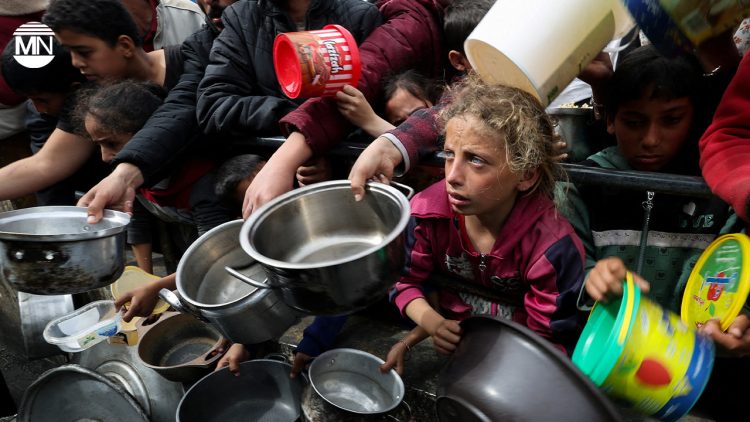
The ceasefire agreement includes provisions for increased humanitarian aid in Gaza. The United Nations and other agencies have prepared thousands of truckloads of supplies to address the severe humanitarian crisis. Israel is also planning a partial withdrawal of its forces from certain areas of Gaza, allowing some residents to return to their devastated homes while maintaining security control over key locations.
If successful, the agreement could reduce hostilities in Gaza and the surrounding regions and offer a way to de-escalate a wider Middle East conflict involving Iran and its proxies. The deal signals a cautious step towards resolution, but its long-term success remains uncertain amid ongoing tensions.