

The warning from the United Nations Envoy was clear: handle the post-Assad situation in Northern Syria correctly, or land “dramatic consequences” for the whole of Syria. A stable post-Assad Syria depends on Turkish and Kurdish forces in North and East Syria (Rojava) finding a political solution to end the escalation of conflict, UN Syria Envoy Geir Pedersen stressed on Monday, Reuters reported.
Failure to secure peace in the autonomous region would risk a new wave of displacement, he said. Tens of thousands, many IDPs, have already faced displacement and worsening humanitarian conditions since the Turkish-backed Jihadist group Hay’at Tahrir al-Sham (HTS) and Syrian National Army (SNA) launched intensified attacks at the start of December.
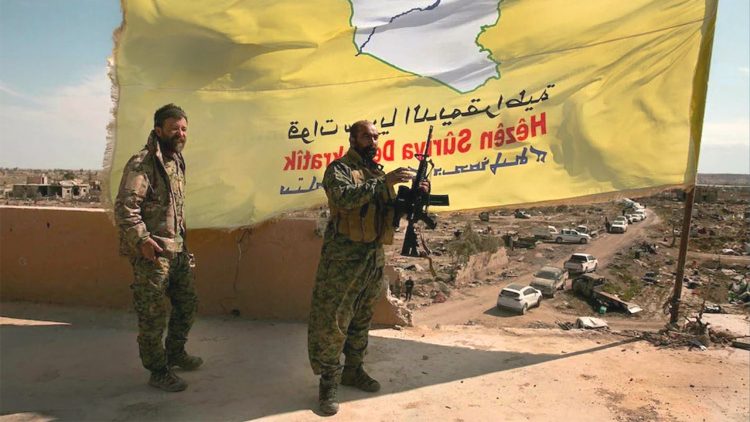
Pederson’s comments come in the wake of Turkey’s intensified military operations in Northern Syria since the fall of the Assad regime, targeting the Kurdish-led Syrian Democratic Forces (SDF), and its local People’s and Women’s Protection Units (YPG/YPJ). These attacks aim to dismantle Kurdish self-rule, which Ankara views as a threat to its territorial integrity, despite Kurdish groups’ focus on local governance and counter-ISIS operations.
A fragile ceasefire agreement currently holds in northern Syria, brokered by the United States to reduce tensions between Turkish forces and the Syrian Democratic Forces (SDF), though intense clashes have continued, particularly at the Tisreen Dam, a strategic site southwest of Kobani (Kobanê), which is also under bombardment from the north by Turkish airstrikes. Reports have surfaced that the SDF are set to regain control of Manbij (Minbîc) after the SNA seized the city.
The SDF, a key partner in the fight against ISIS, has played a vital role in the defeat of the group’s territorial strongholds. However, the region continues to face Turkish military operations against the SDF, the military wing of the Autonomous Administration of North and East Syria (AANES), which undermine anti-ISIS efforts.
Despite the SDF’s critical role in counterterrorism efforts, international intervention to address Turkey’s actions has been limited, raising concerns about the stability of the ceasefire and the future of the region’s autonomous governance.
Pedersen emphasised that addressing the tensions in the northeast would be a significant challenge for a post-Assad Syria, which has been under the Assad family’s rule for over fifty years. “The whole question of creating a new, free Syria would be off to a very, extremely … to put it diplomatically, difficult start,” he said.


