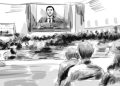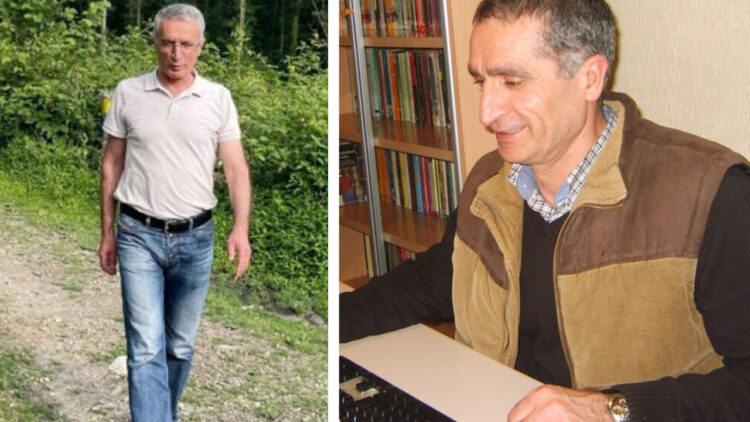
Serdar Karakoç, a Kurdish journalist based in the Netherlands, was arrested on 23 May at the request of Germany under Article 129b. The decision on Karakoç’s extradition to Germany will be taken at a court hearing on 24 July.
Commenting on the charges against him, Karakoç said: “Germany has issued an international arrest warrant against me after seven years. This case is purely political and aims to protect the interests of the Turkish state. Germany’s approach to the Kurdish issue is even more oppressive than Turkey’s, further criminalising the Kurdish population and obstructing a solution.”
On 14 June, he was conditionally released on bail of €5,000 but had his passport confiscated and is required to sign in with authorities once a week.
Karakoç, a Kurdish citizen of Turkey, fled to exile in Europe after 20 years of reporting for the Kurdish free press under violent state oppression, including surviving a bomb attack on the Özgür Ülke newspaper, and several years of imprisonment.
Karakoç criticised the Turkish government’s handling of the Kurdish issue, saying: “The Turkish state has dealt with the Kurdish question through denial and a policy of genocide. The Kurdish identity and language have been suppressed and the basic rights of the Kurdish people have been banned. In 2015-2016, Kurdish cities were devastated, resulting in thousands of deaths and the displacement of hundreds of thousands. Political pressure on the Kurdish movement has intensified, with HDP mayors being replaced by state-appointed administrators. Human rights violations have occurred, including the use of chemical weapons in operations in Rojava and Başûrê Kurdistan (Iraqi Kurdistan)”.
While Karakoç was awaiting extradition proceedings in the Netherlands at the request of Germany, 122 media workers issued a joint press release demanding his release. Karakoç had previously been granted political asylum by the Dutch authorities.
Emphasising his commitment to journalistic duty and human rights, Karakoç added: “As someone from the tradition of the free press, I cannot remain silent in the face of this oppression. My political stance is not only for the Kurdish people, but for all oppressed and historically marginalised communities.”
Karakoç also highlighted the plight of many Kurdish journalists, politicians and intellectuals living as refugees in Europe. “No Kurdish politician who has become a refugee has mentally severed ties with his homeland, and they continue to advocate for their cause within the legal and democratic framework of their host countries,” he said.
Meanwhile, The Freedom Initiative has called for support ahead of Karakoç’s hearing, saying, “We call on all our people and democratic circles to raise their voices against Germany’s policy of criminalising journalists and politicians through the case of Kurdish journalist Serdar Karakoç and to support the upcoming hearing.”