

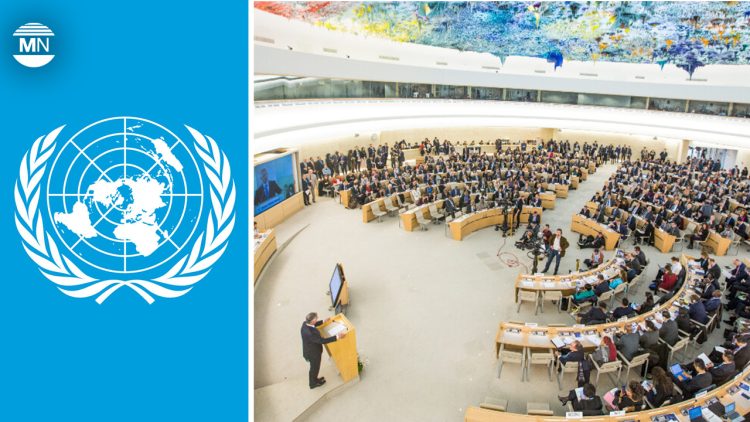
The United Nations Human Rights Council’s (UNHRC) Universal Periodic Review (UPR) Working Group has scrutinised Turkey’s human rights record, as the country faces mounting criticism from member states over its handling of political freedoms, judicial independence, and minority rights. The review, which began on 28 April, is set to continue until 9 May in Geneva, with significant attention focused on Turkey’s failure to address prior recommendations from the UN.
Turkey’s delegation, led by Deputy Foreign Minister and EU Affairs Head Ambassador Mehmet Kemal Bozay, defended the country’s human rights record, claiming substantial reforms had been made in areas such as the judiciary. However, critics at the session painted a grim picture, highlighting a continued decline in human rights, especially since the previous UPR in 2020.
During the discussions on 6 May, multiple nations expressed concern over Turkey’s failure to implement prior recommendations, particularly regarding the independence of the judiciary and the protection of political rights. Many representatives pointed to the increasing political interference in the judiciary, the erosion of freedom of expression, and ongoing restrictions on peaceful assembly. The suppression of journalists, crackdowns on protests, and legal actions against opposition politicians were identified as systematic violations of human rights.
Human rights organisations and civil society groups also submitted alternative reports, which painted a stark contrast to the official narrative. These groups described the use of anti-terrorism laws to stifle opposition voices, the widespread use of torture and mistreatment in detention centres, and the worsening conditions in Turkish prisons. UN experts presented reports alleging that detainees had suffered from physical abuse, sexual assault, and even torture, including electroshock and simulated suffocation, especially during anti-terror operations.
One of the most contentious issues raised was the prolonged solitary confinement of Abdullah Öcalan, leader of the Kurdistan Workers’ Party (PKK), which remains a symbol of Turkey’s broader human rights challenges. The UN report stressed that extended solitary confinement practices, particularly in relation to political prisoners, violated international human rights standards.
The report also expressed deep concern about the treatment of minorities in Turkey, including Kurds, Alevis, and Roma communities. Discrimination in access to education, employment, and public services remains widespread, according to the UN’s assessment. Calls were made for Turkey to adopt stronger laws to combat discrimination and ensure the protection of cultural rights for minority groups.
Women’s rights were another focal point, with critics arguing that Turkey’s withdrawal from the Istanbul Convention, designed to prevent gender-based violence, has left women vulnerable. The UN highlighted a failure to adequately investigate violence against women, leaving them exposed to increasing threats.
In defence, Turkey’s delegation rejected accusations of widespread human rights violations, insisting that the country was committed to upholding international law. They argued that the current government had taken important steps to improve prison conditions and had made reforms in the legal system.
Despite these claims, the UN report concluded that Turkey had made insufficient progress in addressing the issues raised in the 2020 review. As the session concluded, several countries reiterated calls for Turkey to align its legal framework with international human rights standards and urged the government to uphold the rights of all citizens, particularly political opponents and minorities.
The final UPR report on Turkey’s human rights situation will be published in 2025, as the country continues to face increasing pressure from the international community to improve its human rights record.


