

The first day of the Rojava People’s Tribunal, held at the Université libre de Bruxelles (ULB) in Brussels, put Turkey’s actions in northern and eastern Syria under international scrutiny. The tribunal was convened to investigate Turkey’s alleged war crimes, including ethnic cleansing, attacks on civilians and economic exploitation. Despite being invited to defend itself, Turkey refused to attend, resulting in a trial in absentia. The opening session featured speeches from the tribunal’s organisers and evidence from survivors, legal experts and human rights activists.
Related Articles:
Turkey faces war crimes accusations at Rojava Tribunal in BrusselsRojava Tribunal: Investigating Turkey’s war crimes, attack on a democratic revolution
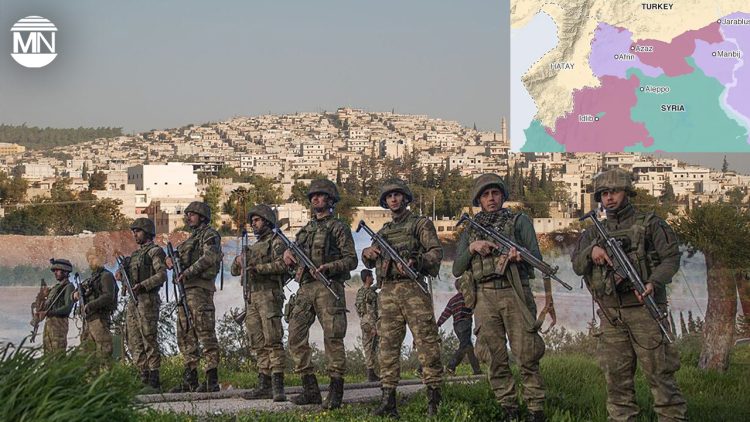
The day’s proceedings began with a welcome speech by Gerrit Loots, who emphasised the importance of the tribunal in shedding light on human rights violations in Rojava. The indictment was presented by legal experts Ceren Uysal and Jan Fermon, who outlined Turkey’s violations of international law. The first session focused on forced displacement and demographic engineering in Afrin, where the Kurdish population was displaced following Turkey’s military intervention. The session also highlighted the massacres, bombings and torture of civilians in Tel Rifat, with powerful testimonies from survivors detailing their harrowing experiences.
The afternoon sessions included testimony from Ibrahim Sheho, who gave a detailed account of the ongoing situation in Afrin, including the use of prohibited weapons and attacks on women and children. Sheho’s testimony added an important personal perspective, detailing the daily struggles of civilians caught up in the conflict. The tribunal also examined Turkey’s attacks on vital infrastructure, including water and medical facilities, as part of its strategy to demographically reshape the region.
Uysal and Fermon played a key role in outlining the charges. Uysal presented evidence of ethnic cleansing and the systematic targeting of civilians, stressing that these actions constitute crimes against humanity. “Turkey’s operations in Afrin, Serêkaniyê and other regions reflect a deliberate campaign of ethnic cleansing for which it must be held accountable under international law,” Uysal said. She also stressed that the destruction of essential infrastructure, such as hospitals and schools, is part of a wider strategy to destabilise and erase Kurdish identity from these areas.
One of the key testimonies presented during the day was that of Öz Karahan, an activist who compared Turkey’s occupation of Afrin to its historical actions in Cyprus. Karahan’s testimony focused on the mass displacement and looting of property, in particular the confiscation of olive oil factories in Afrin, which were then sold under Turkish brands. He also detailed the use of forced repatriation and the control of water supplies as a form of collective punishment to drive out the local population and replace them with settlers loyal to Turkey.
Testimonies such as Karahan’s were crucial in drawing attention to the ongoing human rights violations, highlighting the scale of Turkey’s military actions in the region and their devastating impact on civilians. Many witnesses described the psychological and physical trauma they had suffered as a result of bombings, arbitrary arrests and displacement. They also highlighted the widespread destruction of cultural and religious sites, including the replacement of Kurdish language signs and shops with Turkish and Arabic signs, an act of cultural erasure.
Following the session, the Tribunal was briefly adjourned for questions from the judges, who sought clarification on the details of the alleged war crimes. The intensity of these discussions highlighted the Tribunal’s crucial role in documenting these atrocities and seeking justice for the victims.
The Rojava People’s Tribunal provides an essential platform for holding Turkey accountable for its actions in northern and eastern Syria, particularly in light of its refusal to participate in formal international courts. The testimonies and evidence presented at the Tribunal will undoubtedly shape the future of accountability for war crimes in the region, as the international community is urged to take action in response to these ongoing violations.
The importance of the tribunal goes beyond its legal implications, as it also represents a political stand against Turkey’s actions in Rojava. Cahit Mervan of Medya Haber reported extensively on the tribunal, including comments from political scientist Sinan Önal and journalist Barış Boyraz. Sinan Önal highlighted the political and legal significance of the Rojava Tribunal, noting that while Turkey has avoided signing major international treaties such as the Rome Statute, the tribunal still plays an important role in documenting violations. He said: “Even though Turkey has not ratified these treaties, it is still bound by other international conventions and these tribunals help to ensure that such violations are documented and highlighted.”
Boyraz, on the other hand, emphasised the importance of the tribunal in raising global awareness of Turkey’s actions in Rojava. “This tribunal is crucial in amplifying the voices of the victims and holding Turkey accountable,” Boyraz said. “Even in the absence of Turkey’s participation, the international community can no longer ignore these crimes. This is not just about legalities, but about the moral imperative to act against such atrocities.”
As the proceedings continue over the next two days, the tribunal will continue to hear testimony and evidence that underscores the human cost of Turkey’s military operations. Legal experts, human rights defenders and victims alike are working tirelessly to ensure that Turkey’s violations do not go unnoticed.


